Meavy Mill
Client: Private
Location: Meavy, Dartmoor
Project Team: MJM Structural Engineering, RM Builders
Project Type: Contemporary Extension and Remodelling of a Historic Mill. Listed Building, National Park, Conservation area
Materials: Local stone, intricately patterned brickwork, and timber cladding
Architectural Features: Sun-filled garden room, sunken terrace, and integrated medieval archaeology
Performance: High-performance thermal envelope and modern glazing within a sensitive heritage setting
Contemporary Historic Mill Extension, Meavy
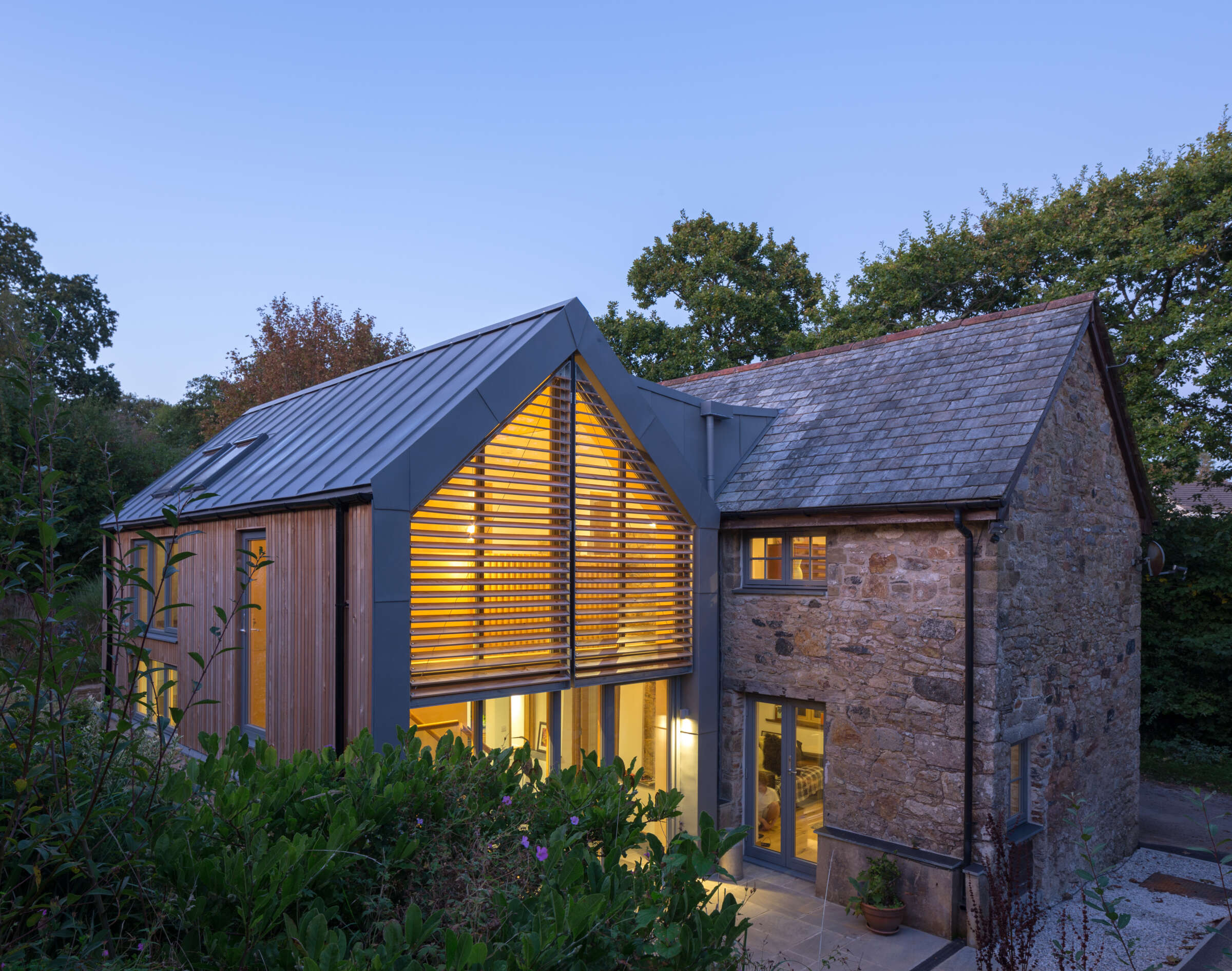
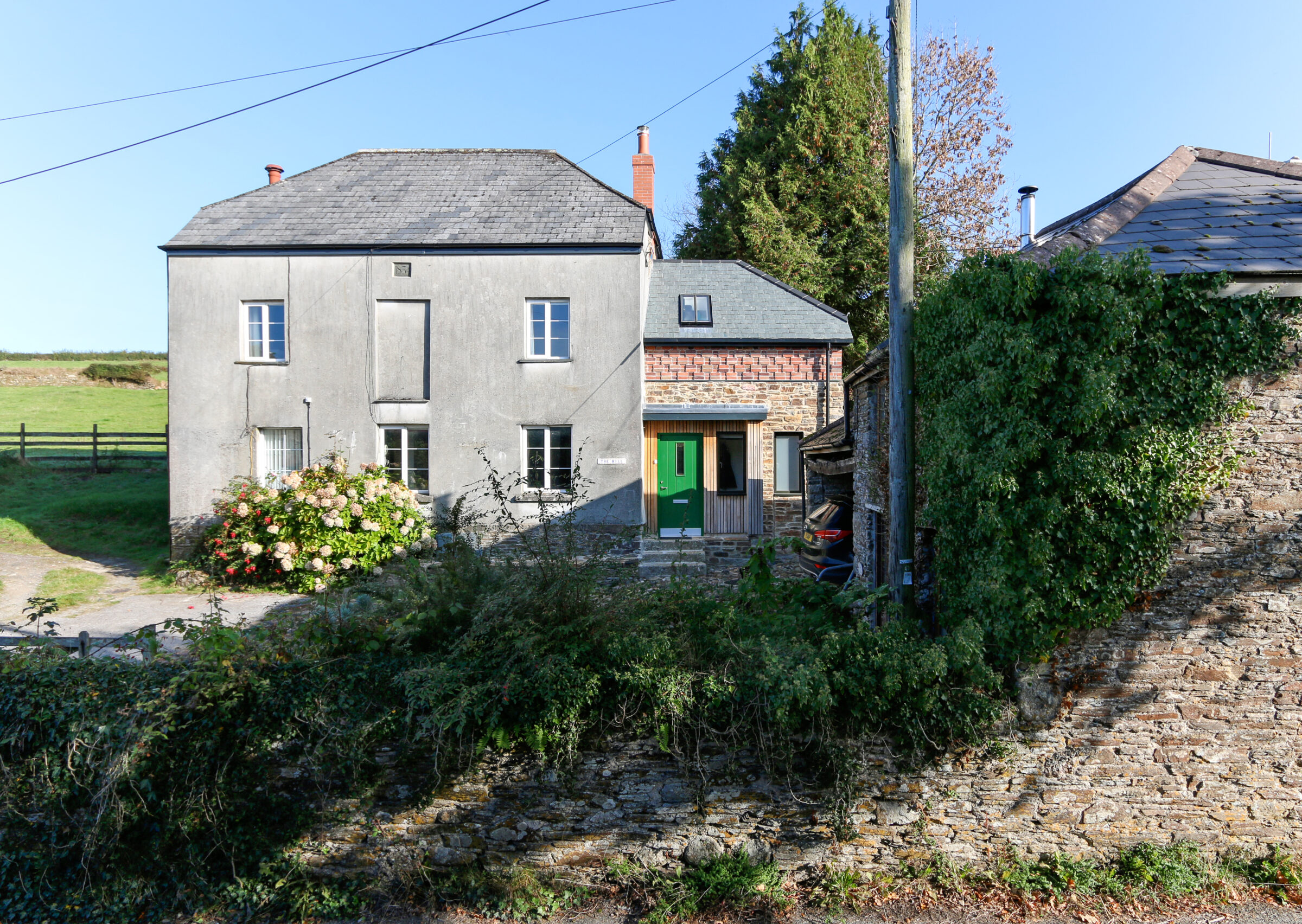
As architects working on Dartmoor, our work is often situated in delicate historic settings. This carefully detailed contemporary addition transforms the layout of an existing compact dwelling. Originally an historic mill, the additions provide new entry and reception at ground floor and an additional bedroom above.
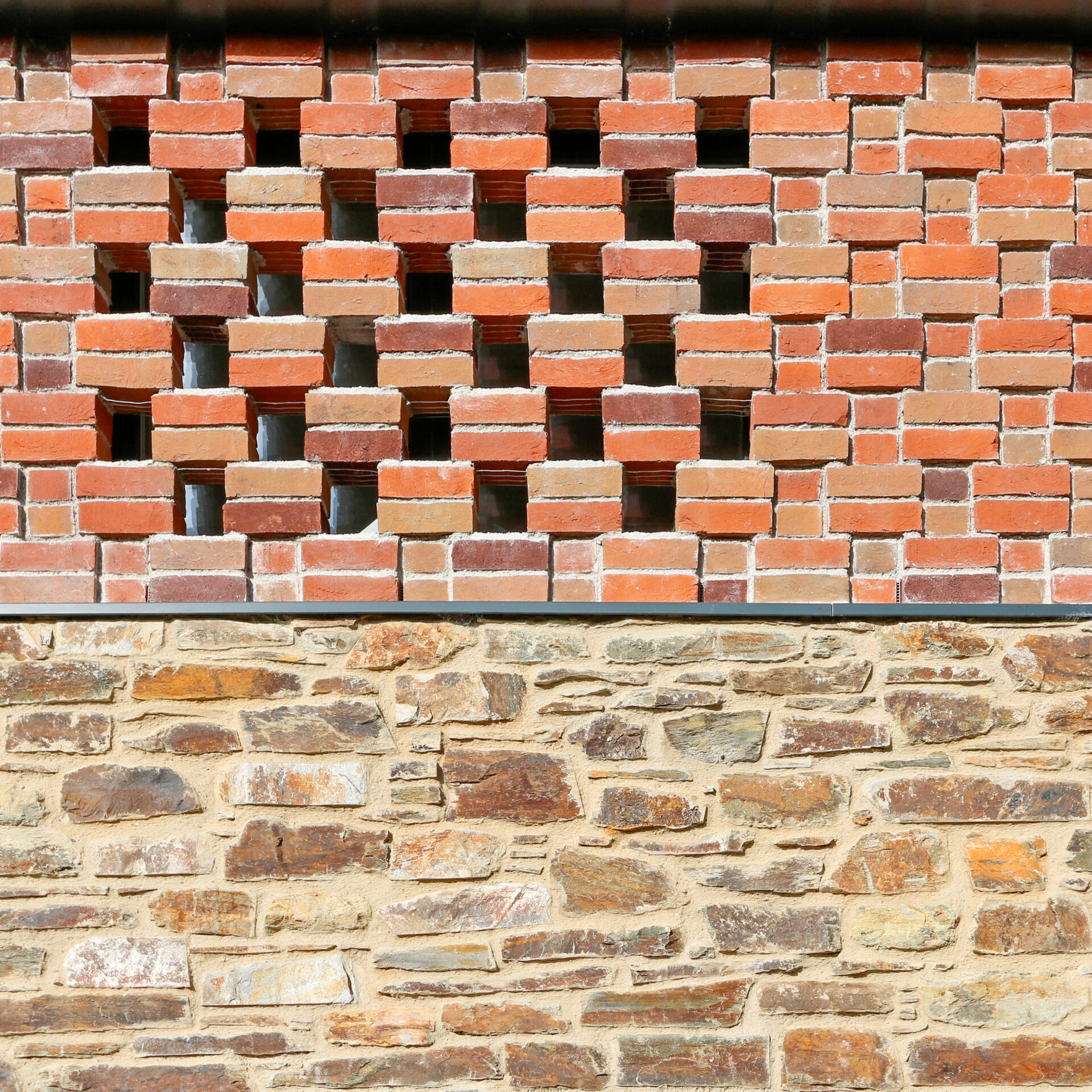
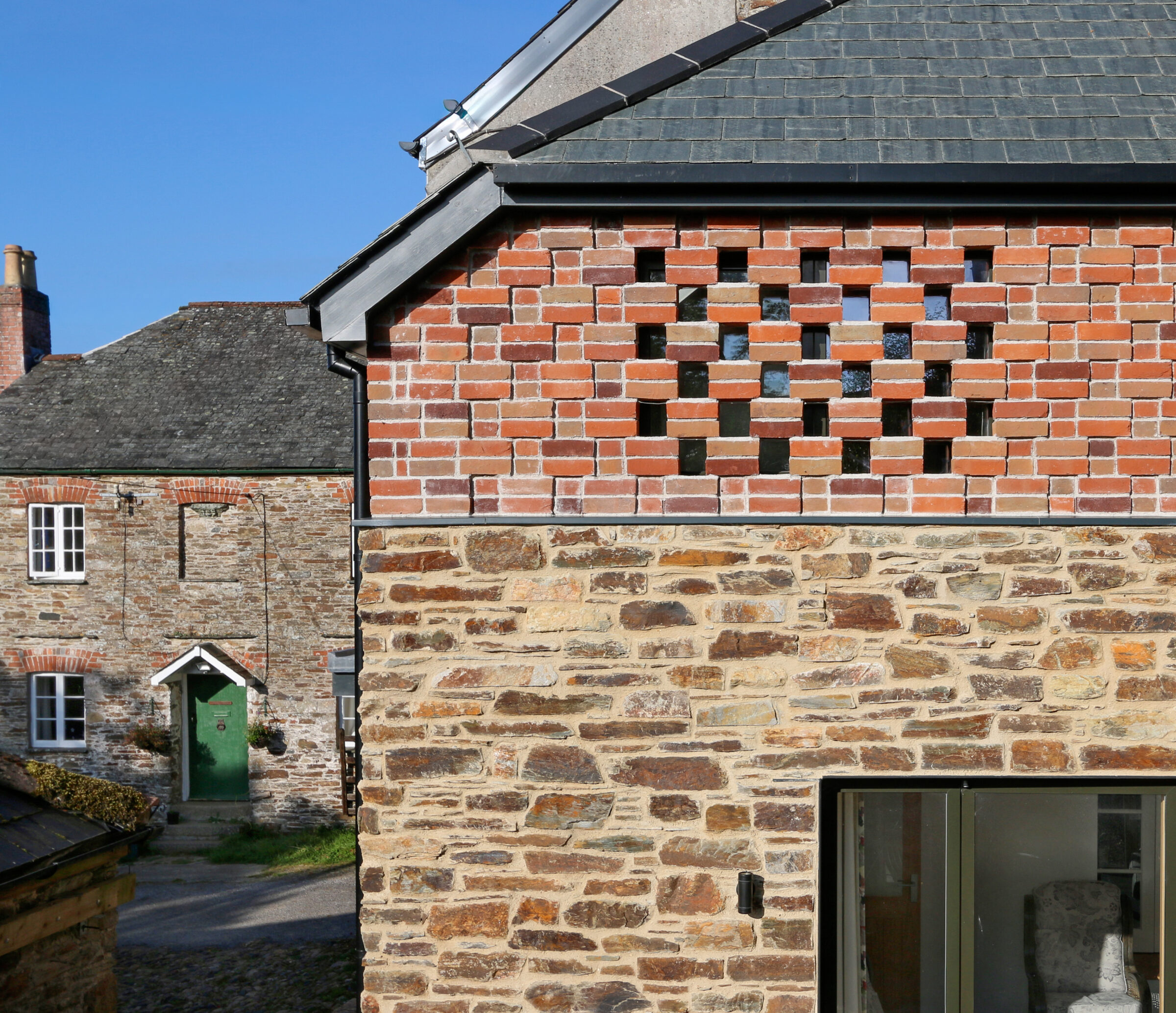
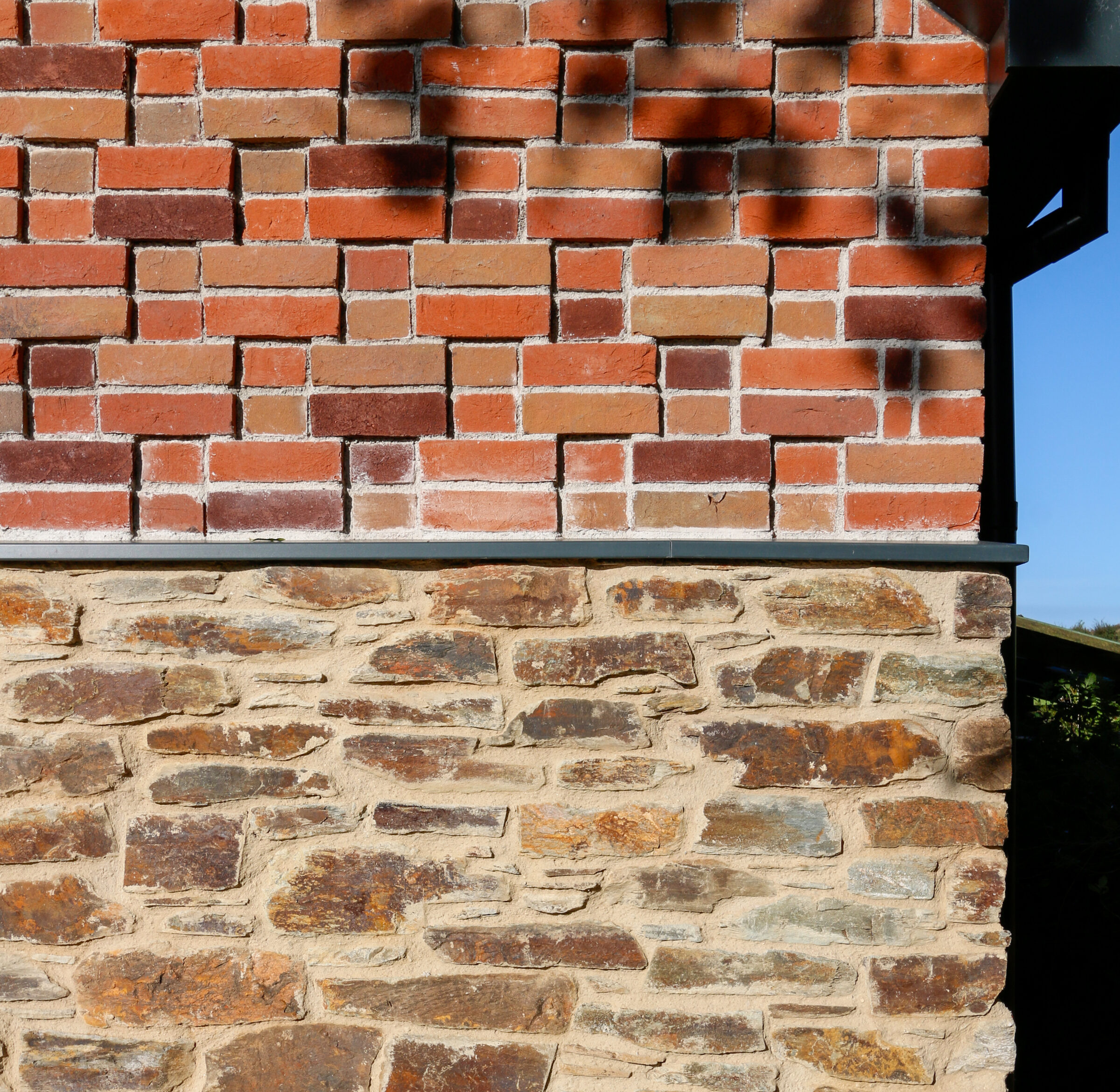
Clad in local stone and intricately detailed brickwork, this new element draws on the local vernacular to embed the sceme in its place. On the edge of a conservation area and surrounded by listed buildings, the project involved extensive consultation with planners and heritage bodies to achieve a positive outcome.
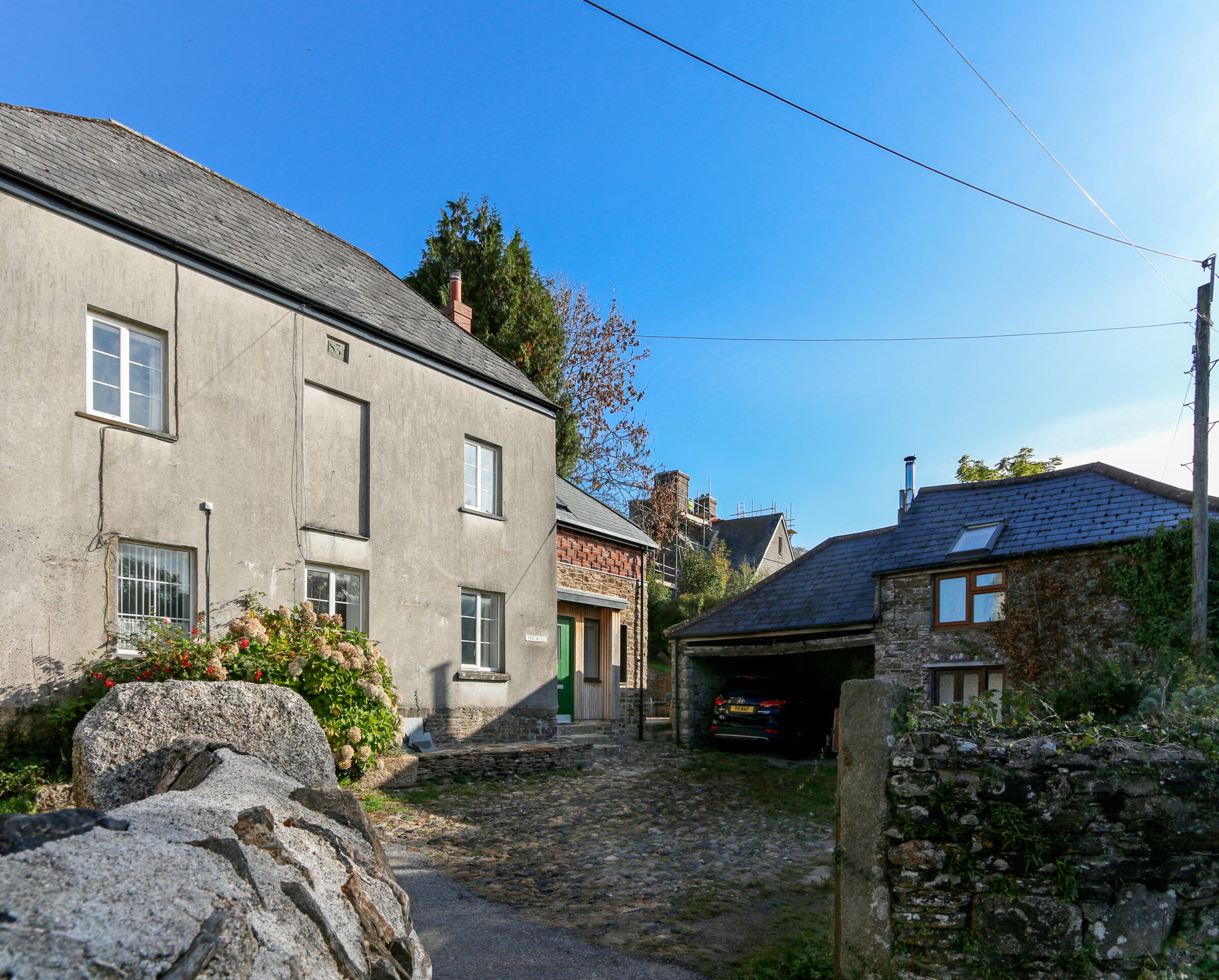
In a sensitive setting – in the National Park, in a conservation area, and surrounded by listed buildings, including a Grade II* barton – the scheme engaged in extensive consultation with the planning authority, parish council and Heritage England.
Gallery
Further Info
The Challenge: A Disconnected Village Landmark
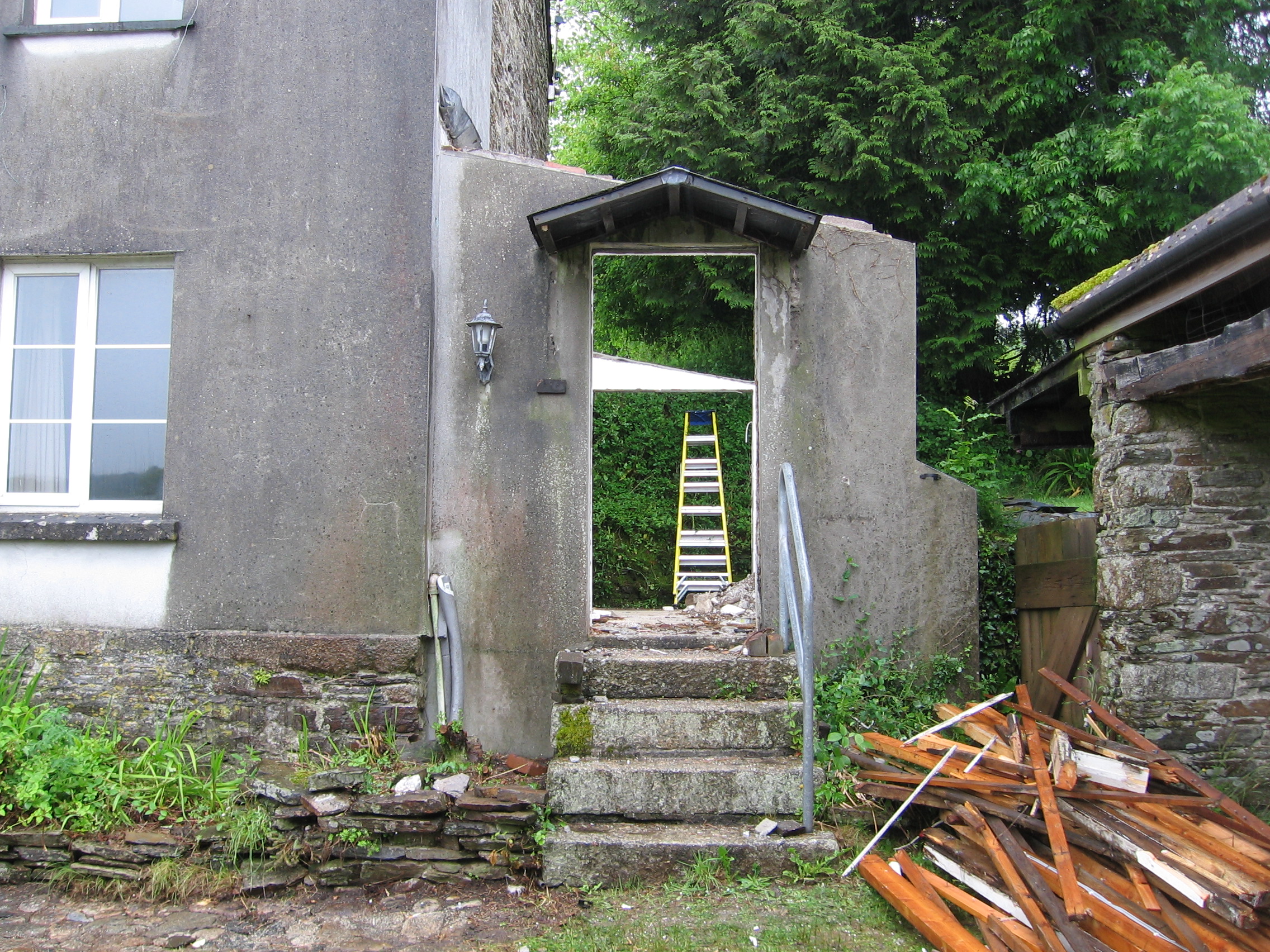
This modest house was originally a Mill associated with the nearby Barton on the edge of the village of Meavy. Converted some years ago, the house was cramped and dark and lacked a connection to its garden. A poor quality lean to extension had been added to provide an entrance occupying the site of the lost waterwheel.
The brief called for a better entrance and downstairs facilities, a space to connect the house to its garden and an additional bedroom upstairs. Central to the project was a bright space to connect to the garden and views to tie the home into its historic setting.
The Planning Journey: Negotiating a Contemporary Vision
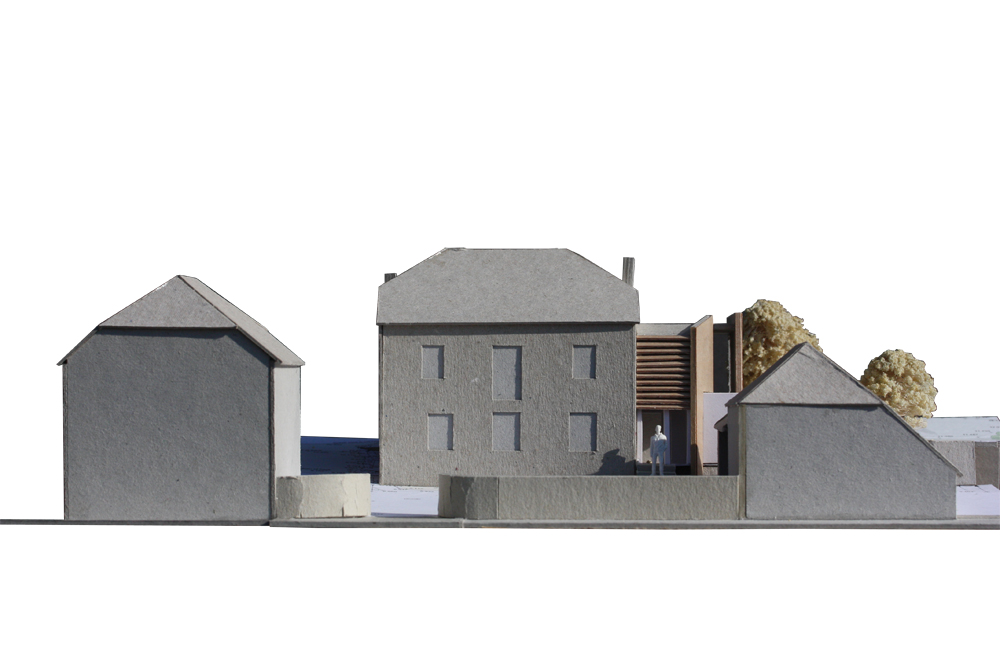
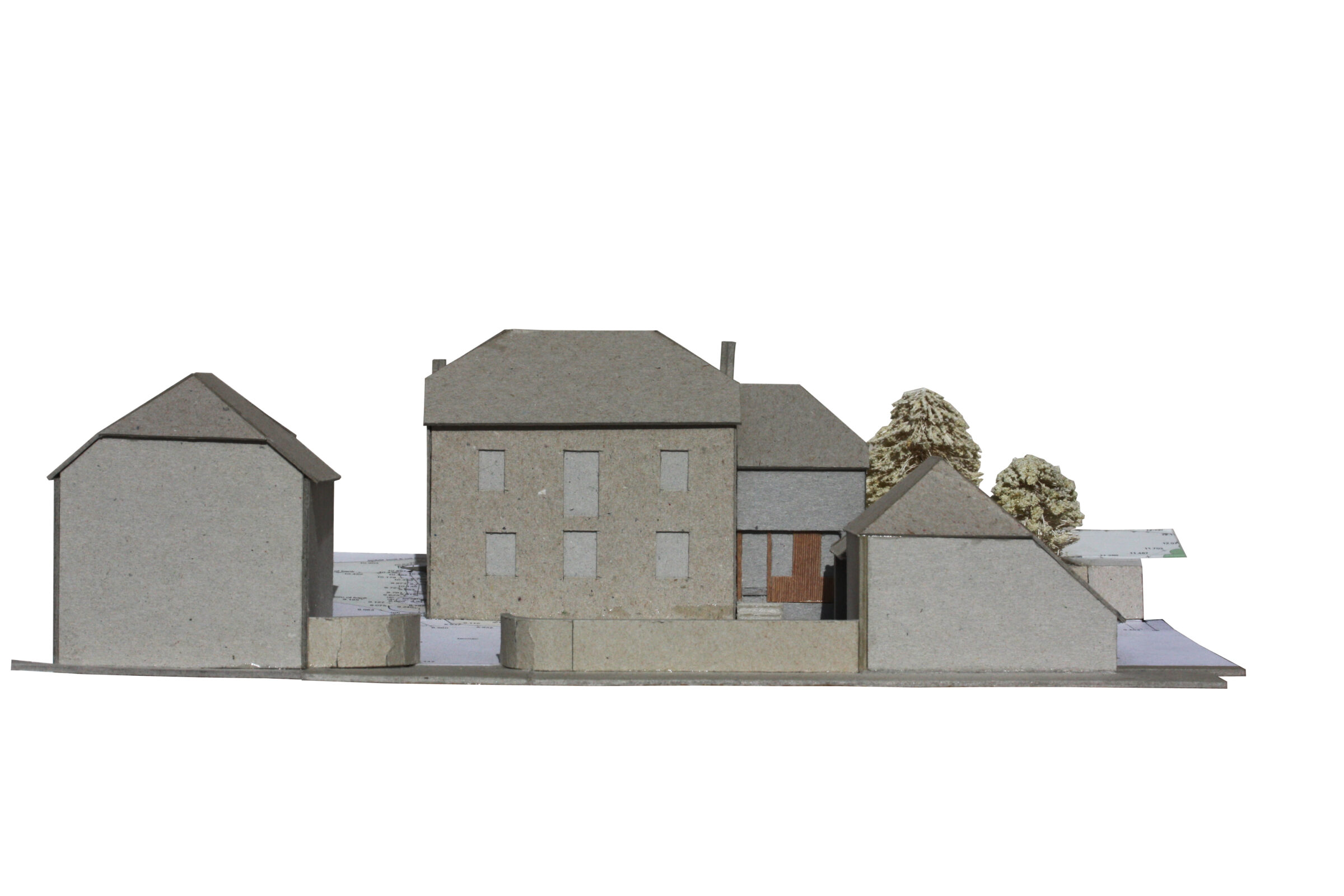
Through detailed analysis and discussion a contemporary scheme was proposed. Supported by the planners and parish council, this scheme drew on the historic context of the site and developed a material language and form inspired by the lost wheel and pit of the mill.
Members of the committee voted against the recommendation of officers on this scheme and we returned to the drawing board to develop a more conservative proposal that they would eventually approve.
Light and Flow: Connecting the Home to the Garden
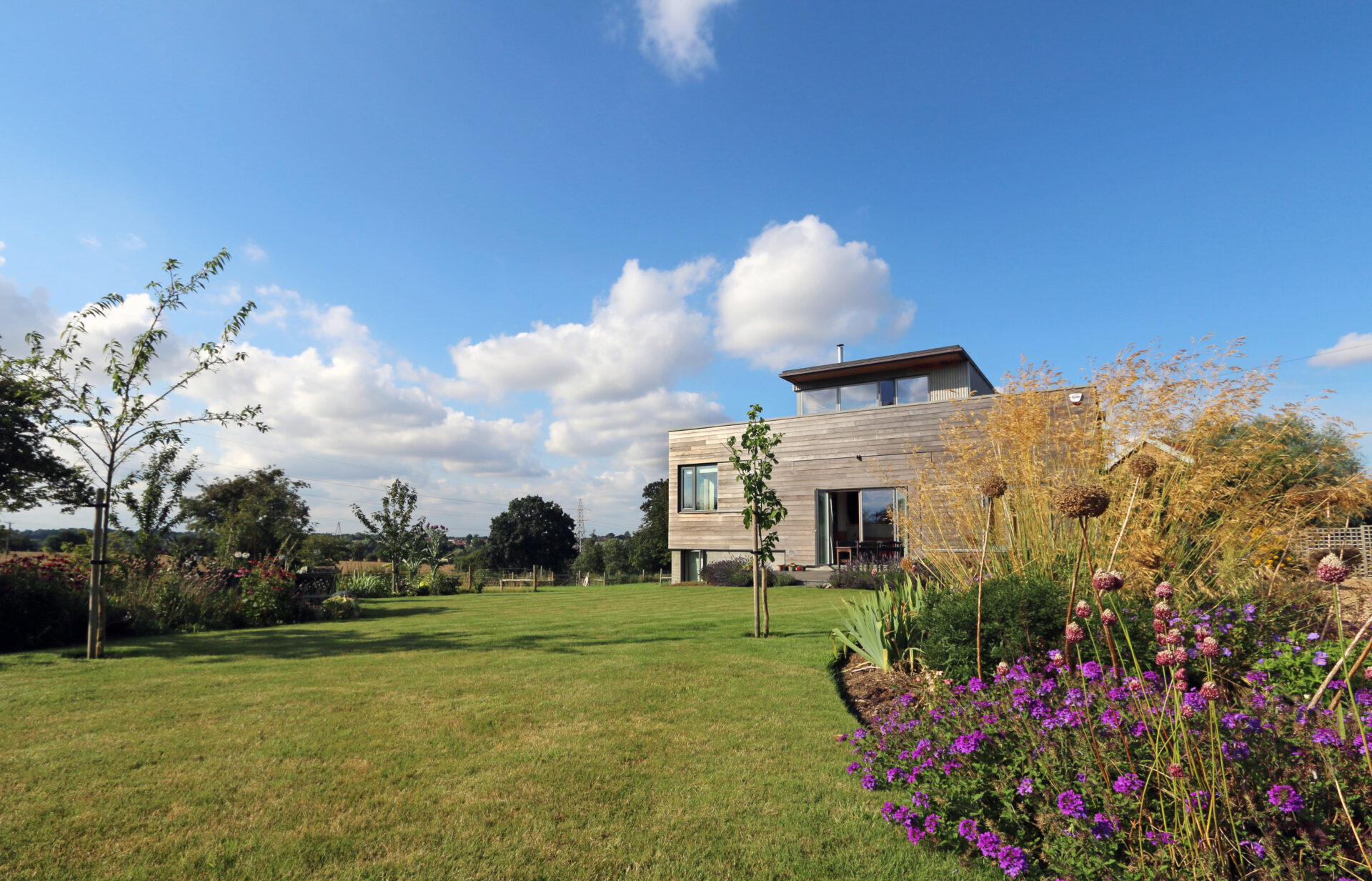
The addition has created a home that now feels light and connected. A generous hall leads into the house and connects to a sun filled garden room opening onto a new sunken terrace. The external materials reference the surrounding buildings and the roof form ties the additions in to the existing forms.
A Modern Vernacular: Patterned Brickwork & Local Stone
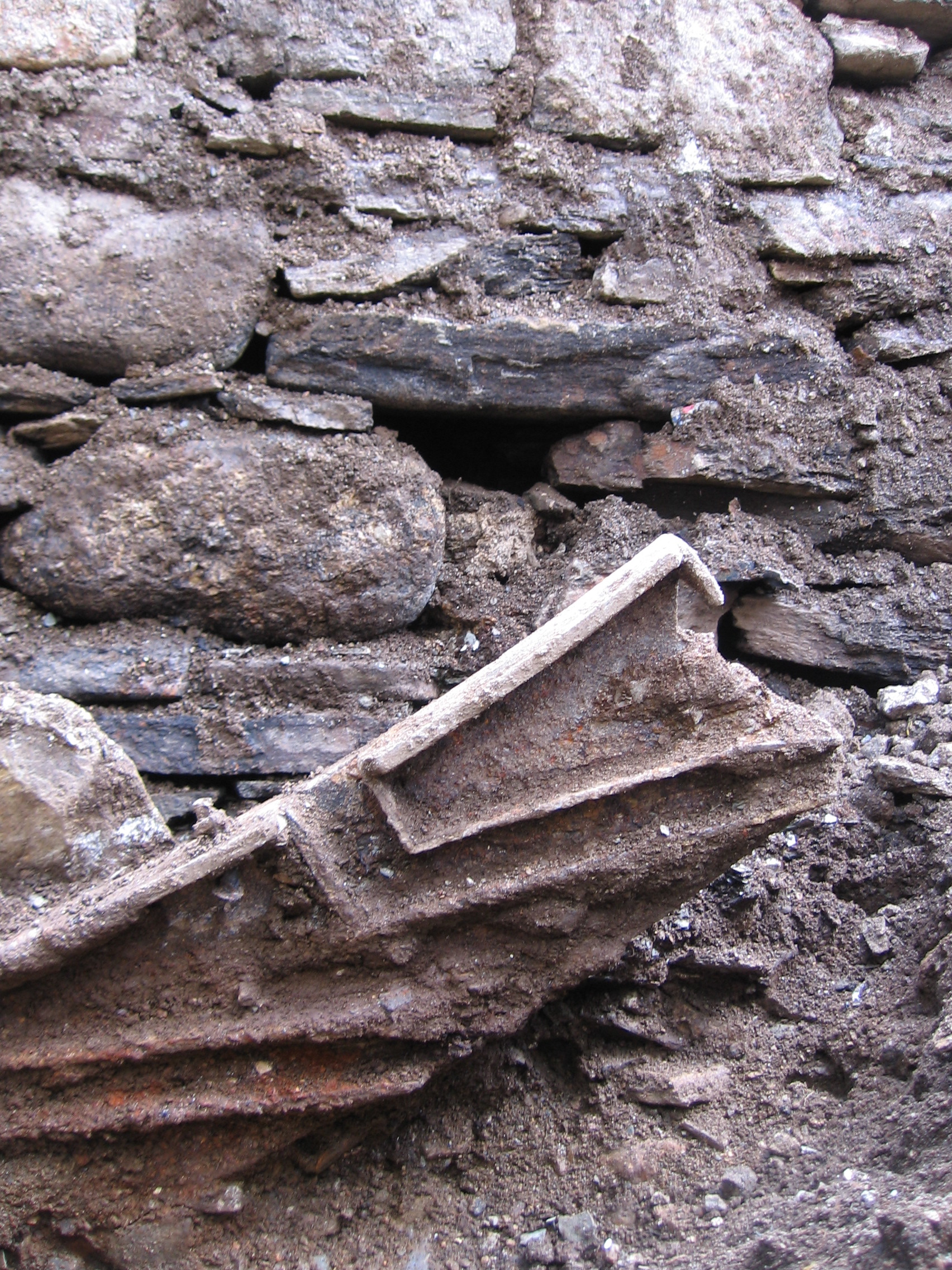
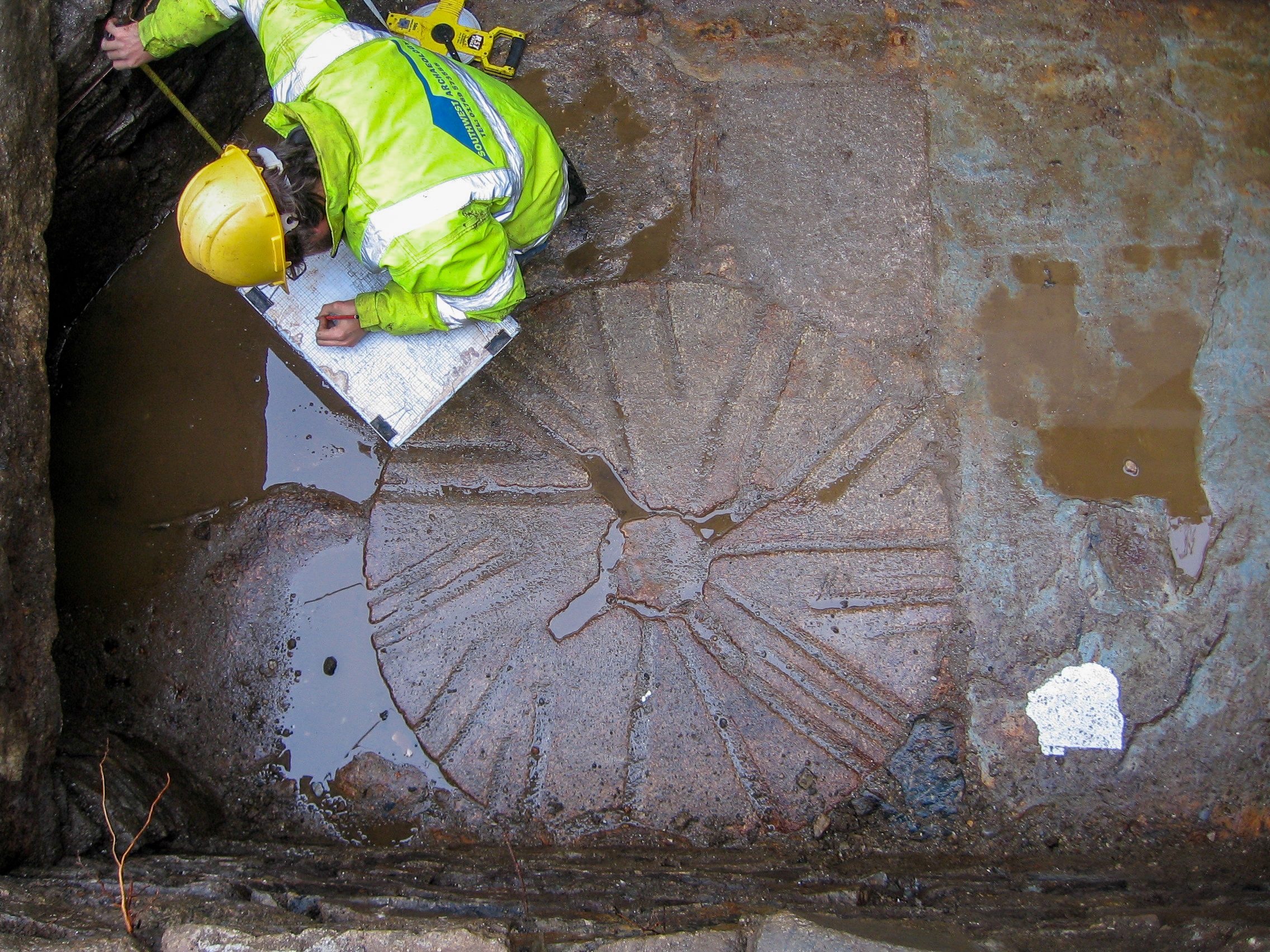
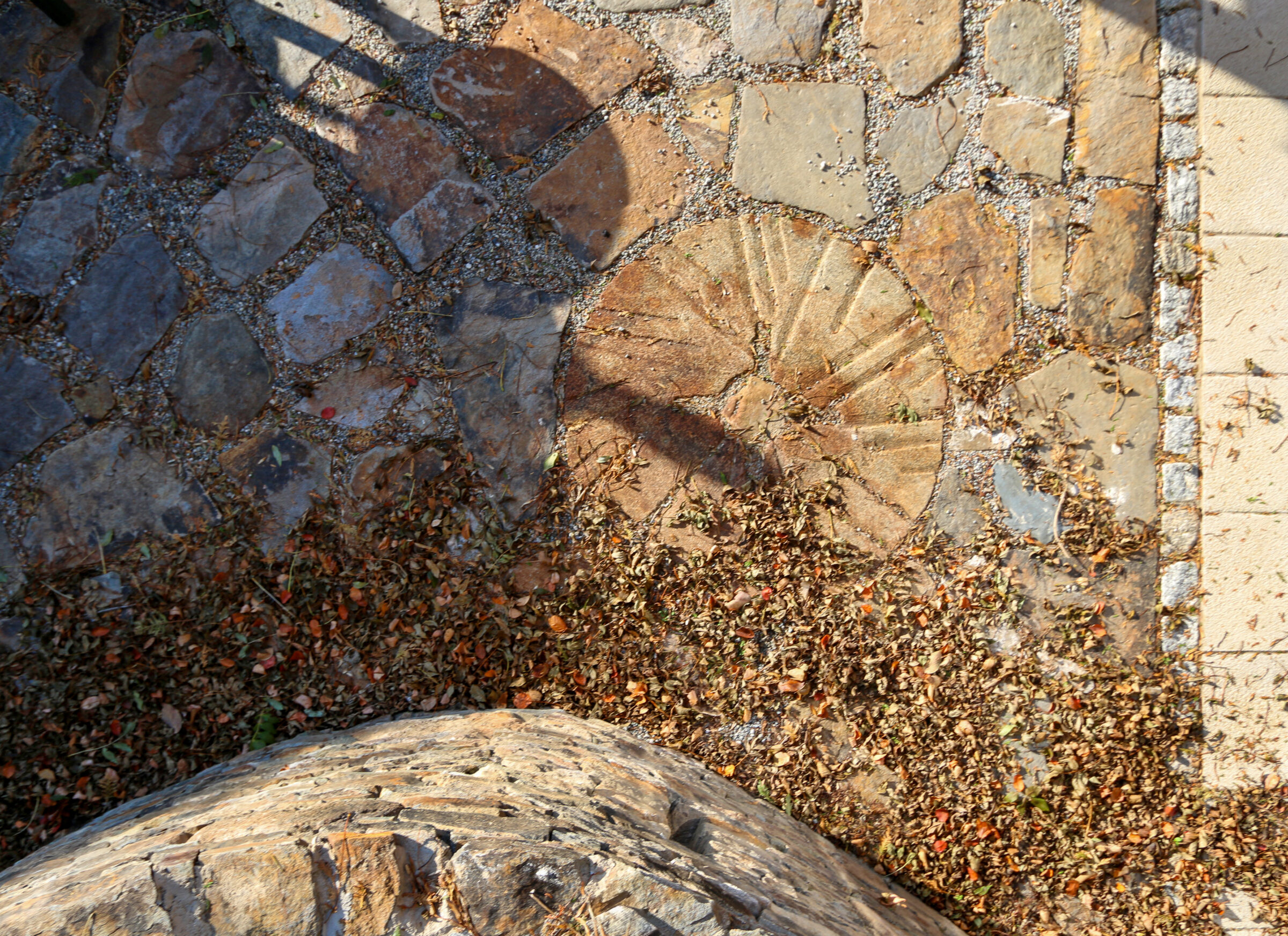
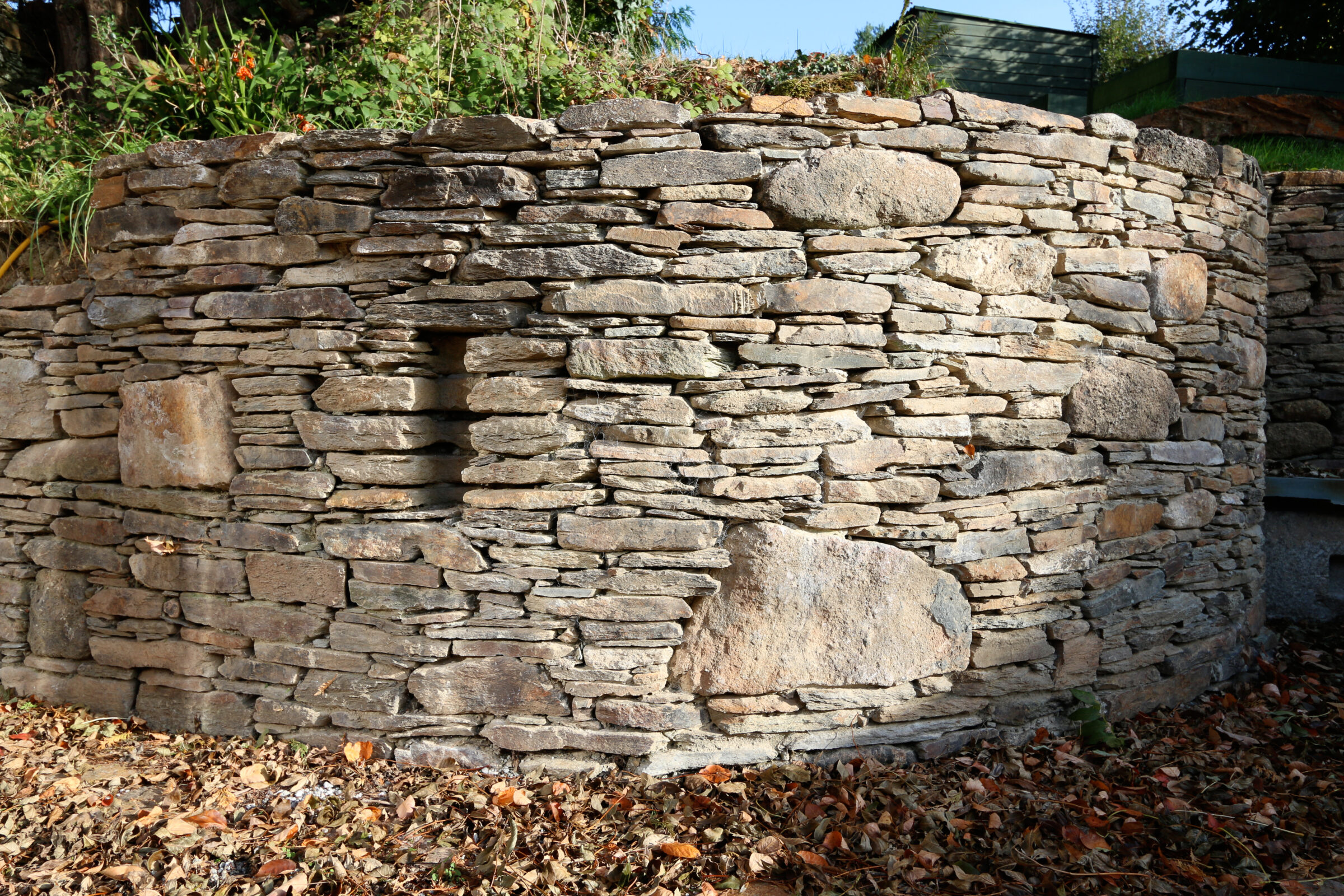
Extensive archeological work was undertaken during the build, revealing the intact wheel pit and remains of two previous mills that had occupied the site back to the middle ages. Numerous old mill stones and associated stoneworks were discovered and incorporated into the external landscaping, which marks the previous buildings and subterranian culverts beneath the garden.
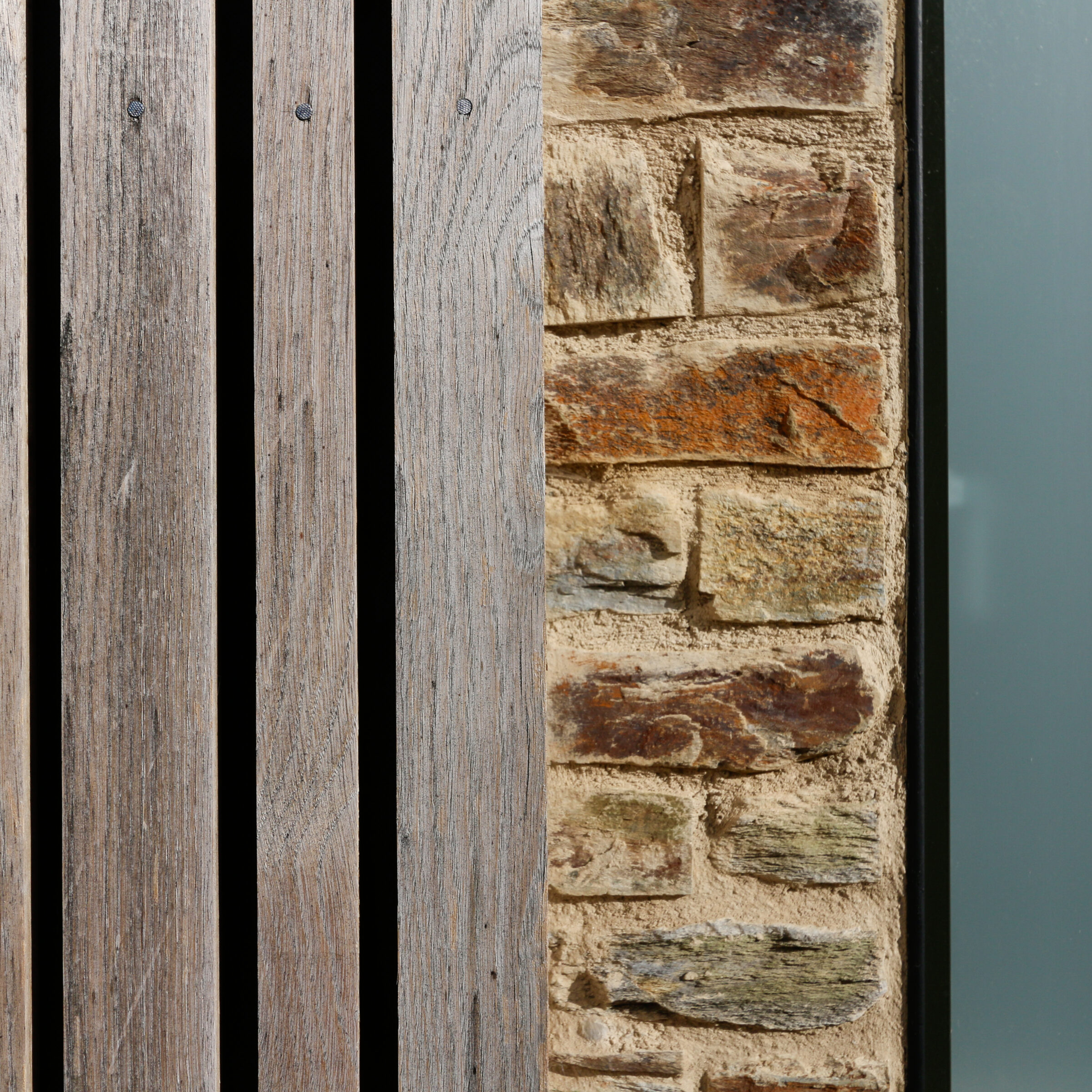
The external materials reference the history of the building, while also presenting a contemporary and contrasting appearance. The patterned brickwork at clerestory level compliments the natural stonework, and the modern windows tie the two elements together. A timber clad porch provides a subtle contrast and welcoming intivation to the court.
Development
On Site