Jesus
Client: Private
Location: Cambridge
Project Team: Mole, Andrew Firebrace Partnership, Cambridge Building Company, David Hall Joinery
Project Type: Heritage Refurbishment & Modern Extension
Materials: Carved stonework, modern timber sashes, bespoke cabinetry, structural glass.
Architectural Features: Rebuilt Front Bay, Glass Courtyard Room, Elevated External Terrace, restored period features.
Performance: Fabric Upgrades, Improved Thermal Envelope, Structural Subsidence Stabilisation
Completed at Mole Architects
Victorian Townhouse Conservation & Modern Extension, Cambridge
While our studio is based in South Devon, our expertise is built on a foundation of highly complex, prestigious heritage work across the UK.
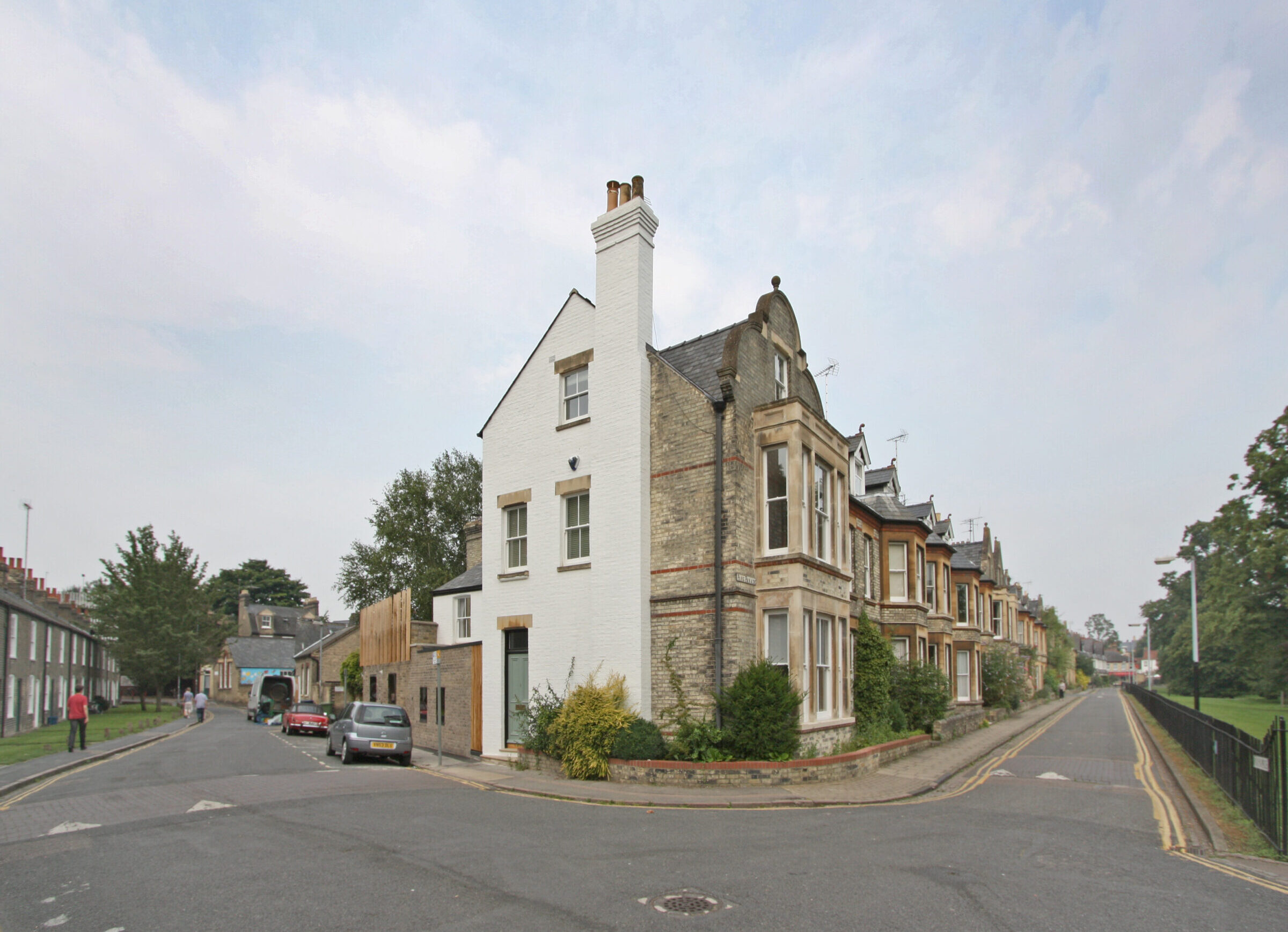
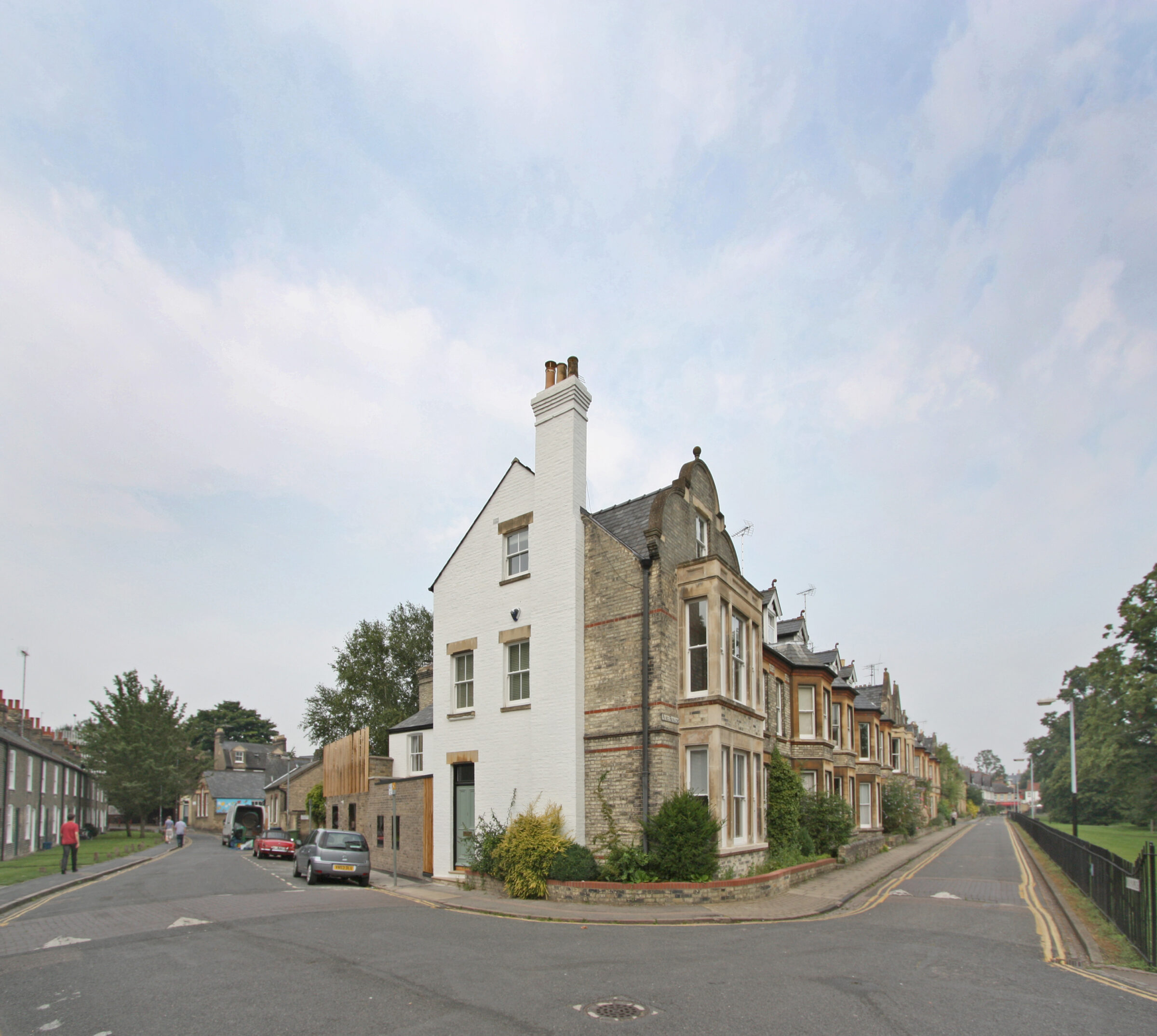
Completed while a senior architect at Mole Architects, this extensive house for a university professor – situated in a prestigious conservation area overlooking Jesus Green in Cambridge – required complete refurbishment and major structural stabilisation.
This challenge presented the opportunity for bold new interventions, creating a light-filled modern home while meticulously retaining its Victorian character.
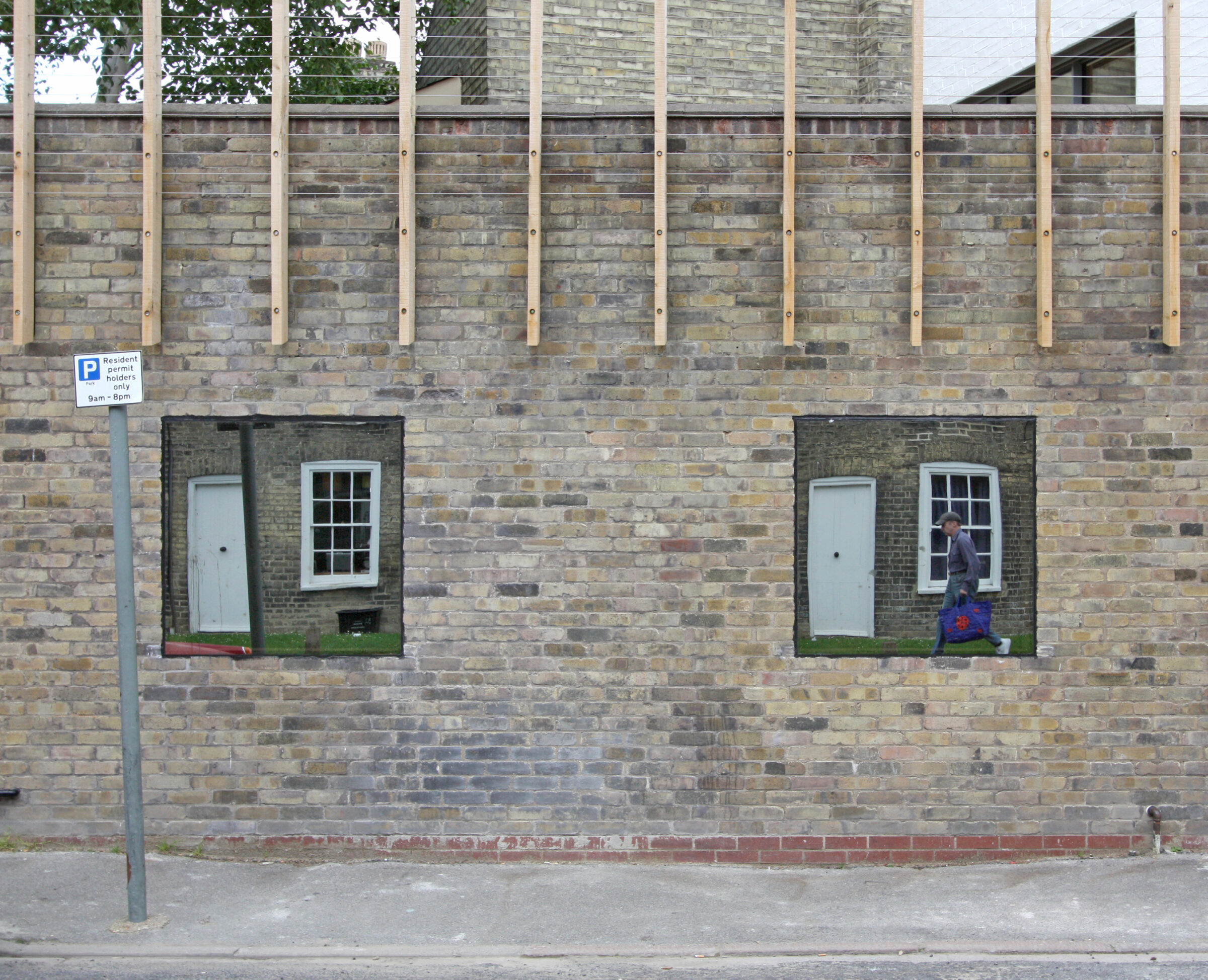
In a prominent location in the heart of a conservation area, this grand Victorian villa required sensitive upgrades and alterations to allow modern living in its historic setting.
Gallery

Further Info
Restoring a Cambridge Heritage Home
Originally built in the 1890s, Park Parade forms a terrace of grand villas overlooking Jesus Green in the historic centre of Cambridge. The property had suffered from significant subsidence, requiring extensive structural remediation. To secure the building’s future, nearly the entire house was underpinned. This highly complex operation required temporarily supporting the fragile 1890s masonry on acro props while the base of the walls was systematically removed and rebuilt, ultimately allowing for fabric and spatial upgrades to create a highly efficient, modern home.
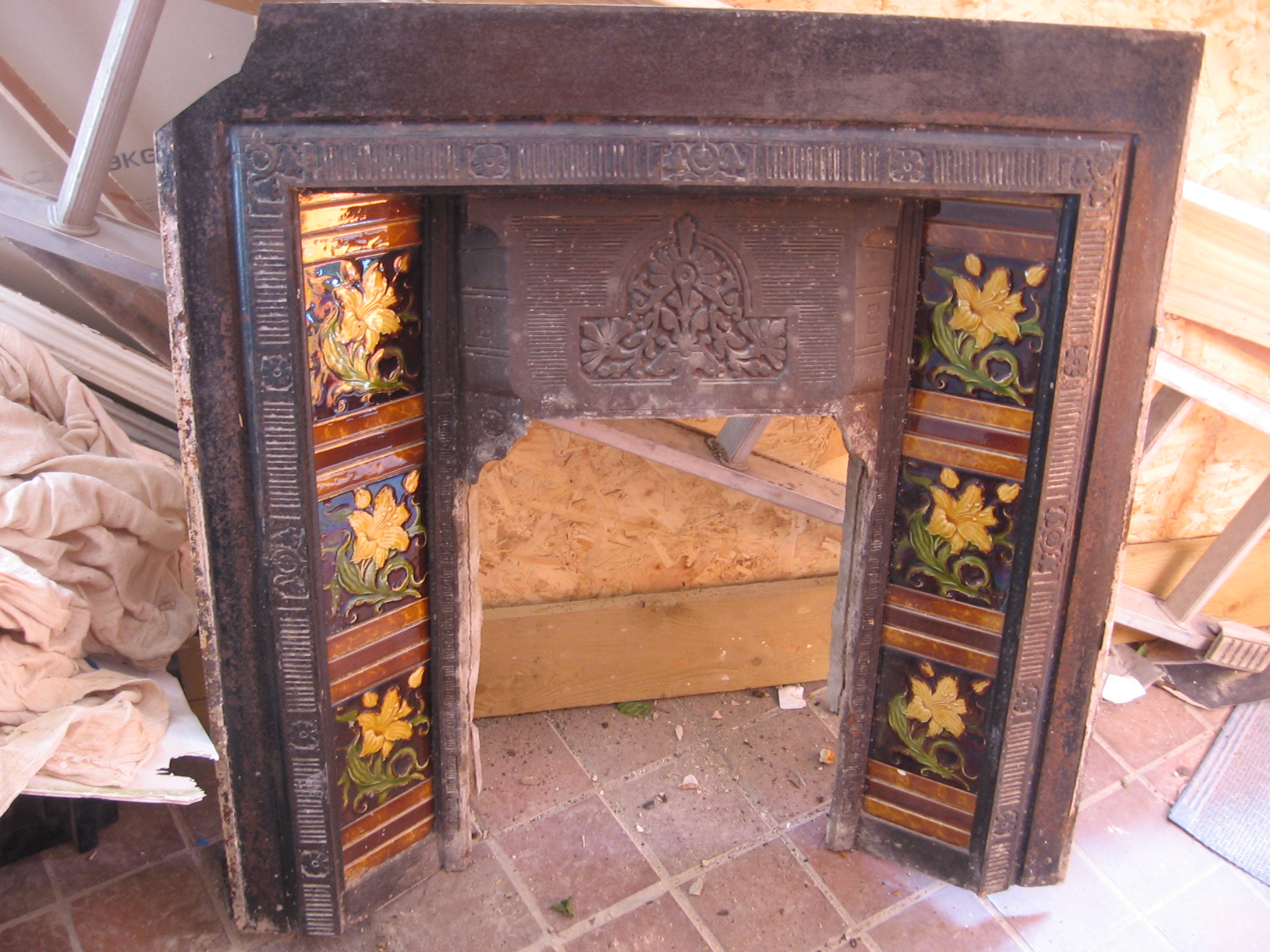
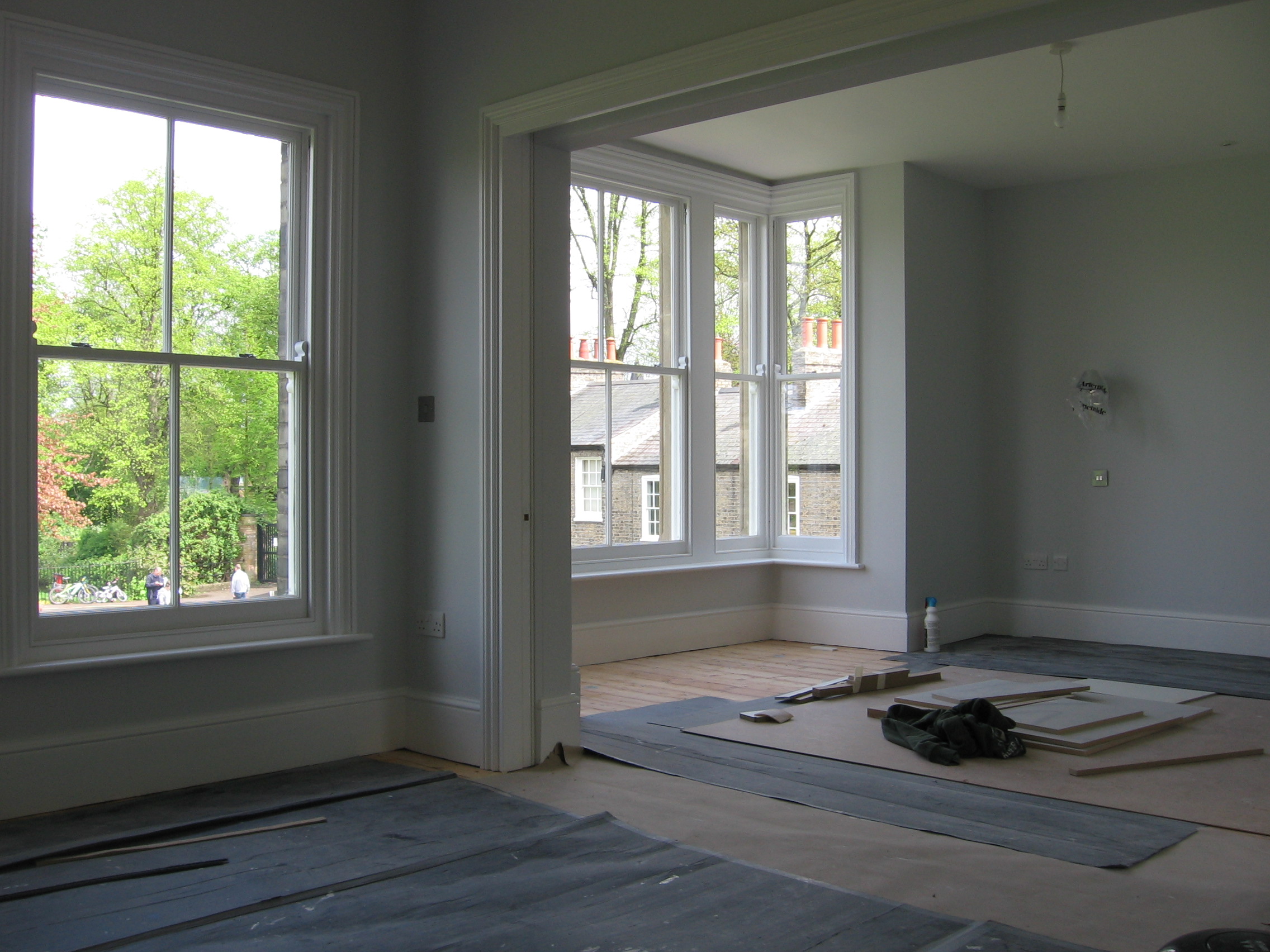
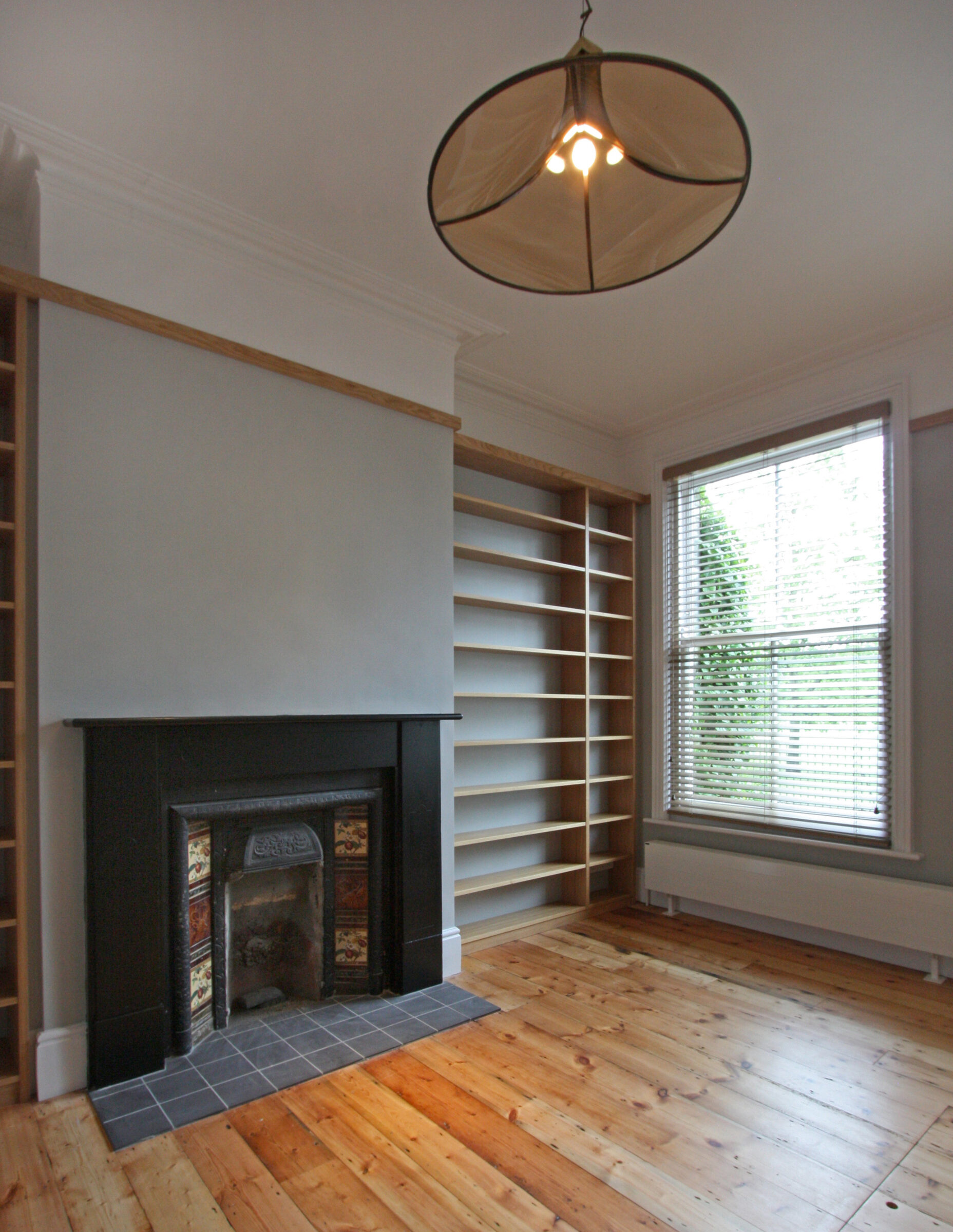
Internally, the original front reception rooms were meticulously stripped back to preserve and repair their historic features, establishing a formal drawing room for entertaining and a refined study on the ground floor.
A Modern Glass Courtyard Extension
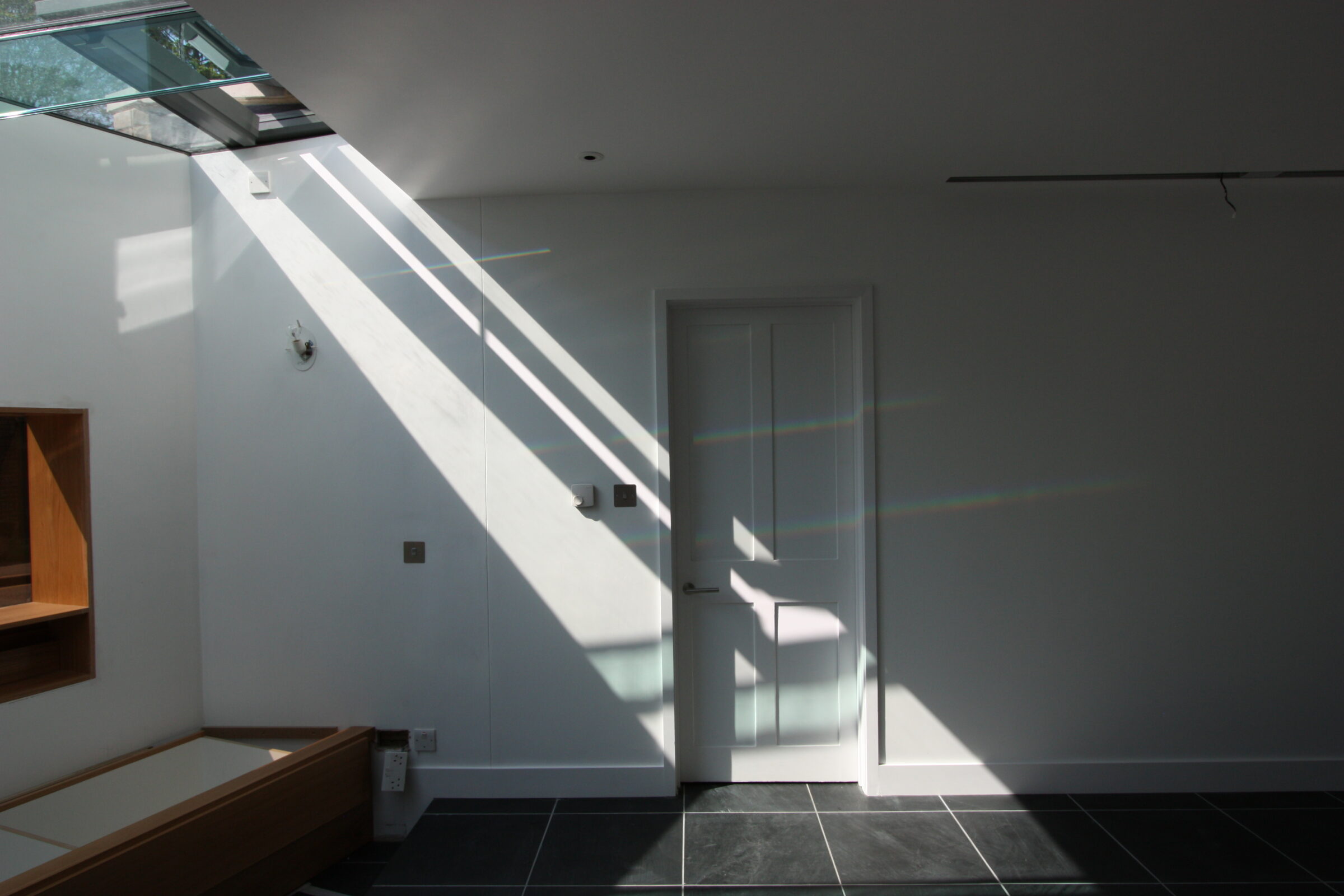
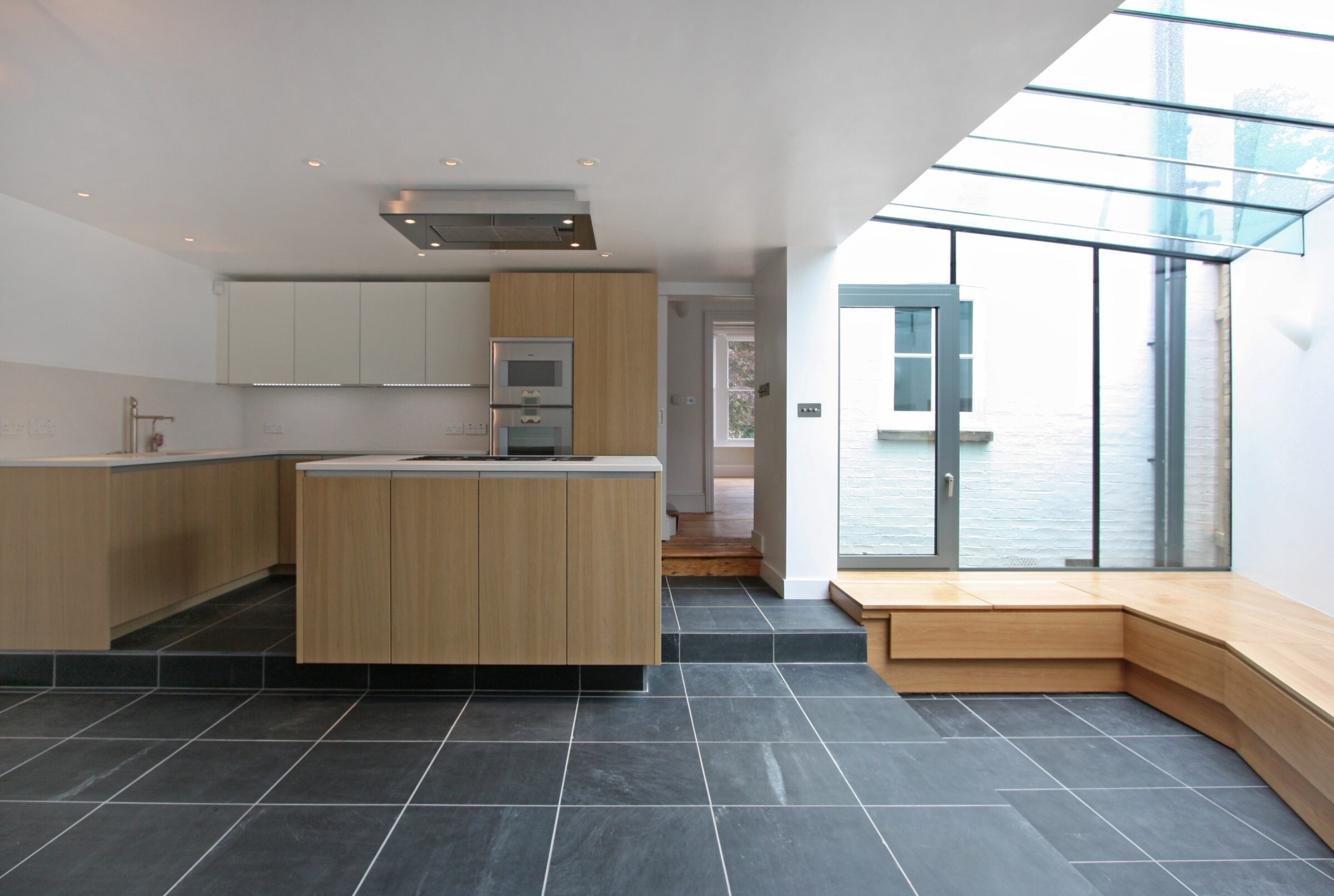
To the rear of the property, the removal of a poor-quality modern addition allowed for a radical spatial reimagining. A contemporary kitchen now occupies the space, defined by cross-cut oak doors and Silestone worktops, with cabinetry elegantly designed to float over a subtle floor step. Grounded by a riverstone slate floor and illuminated by classic Louis Poulsen fittings, the space seamlessly transitions into a new frameless glass courtyard room.
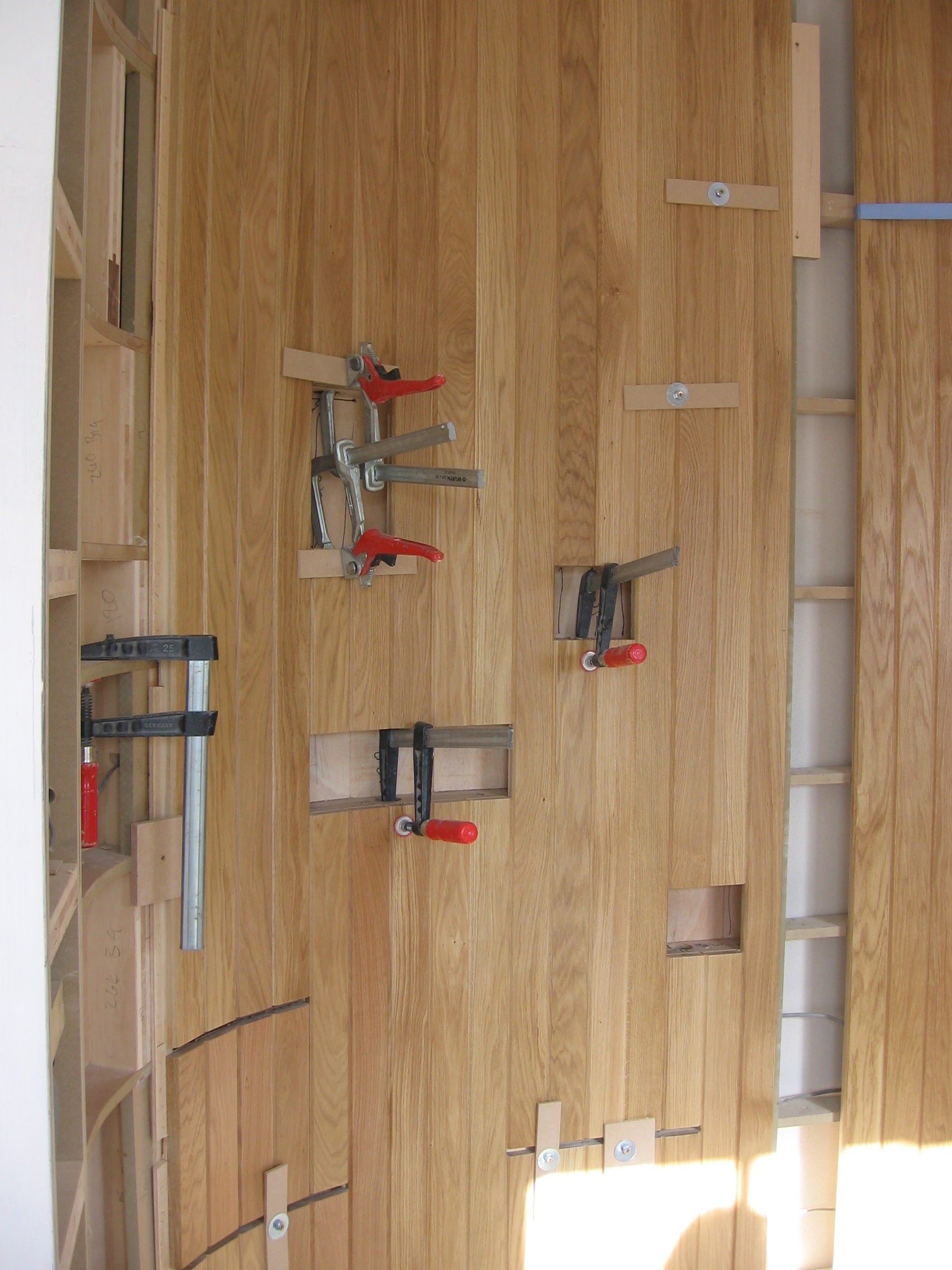
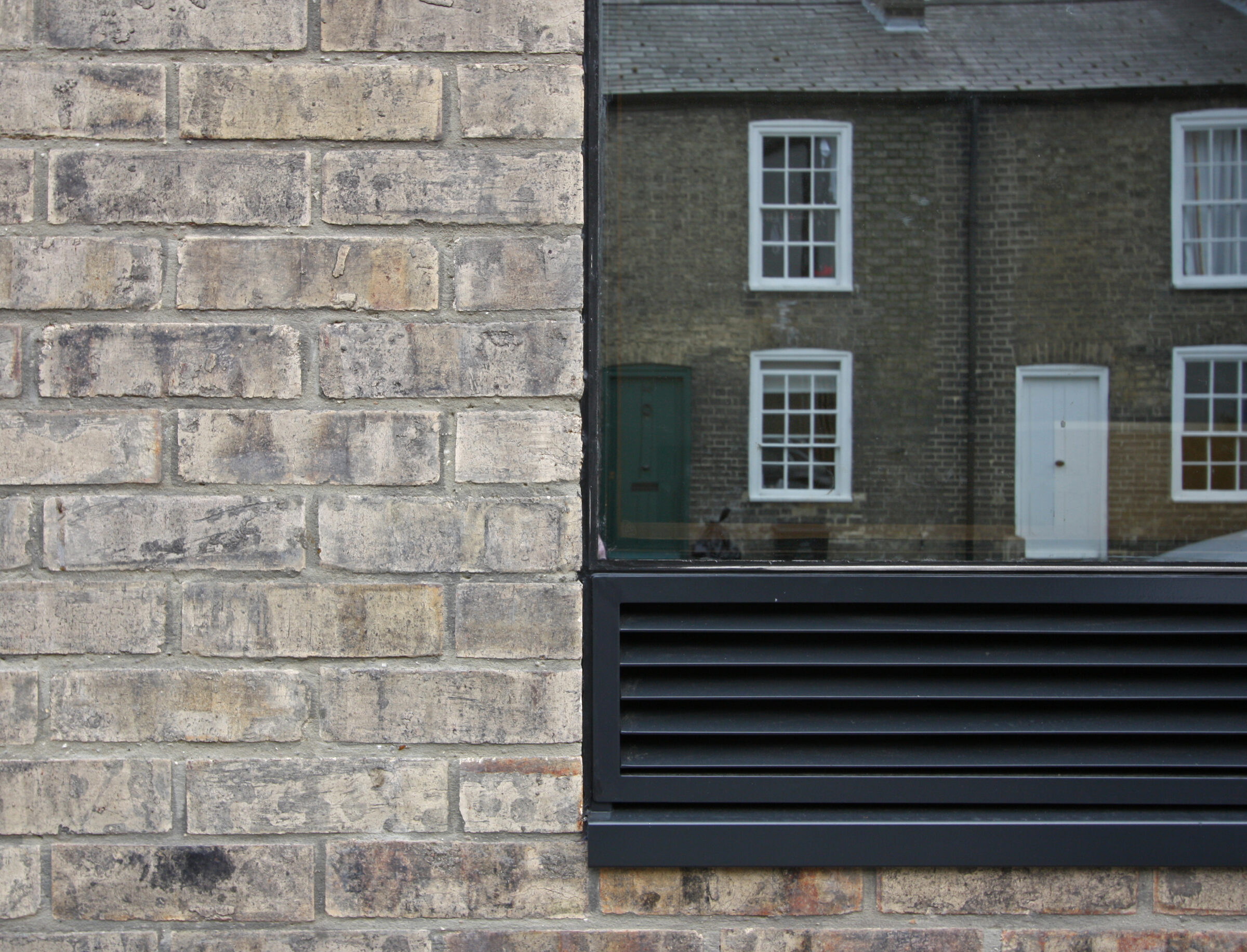
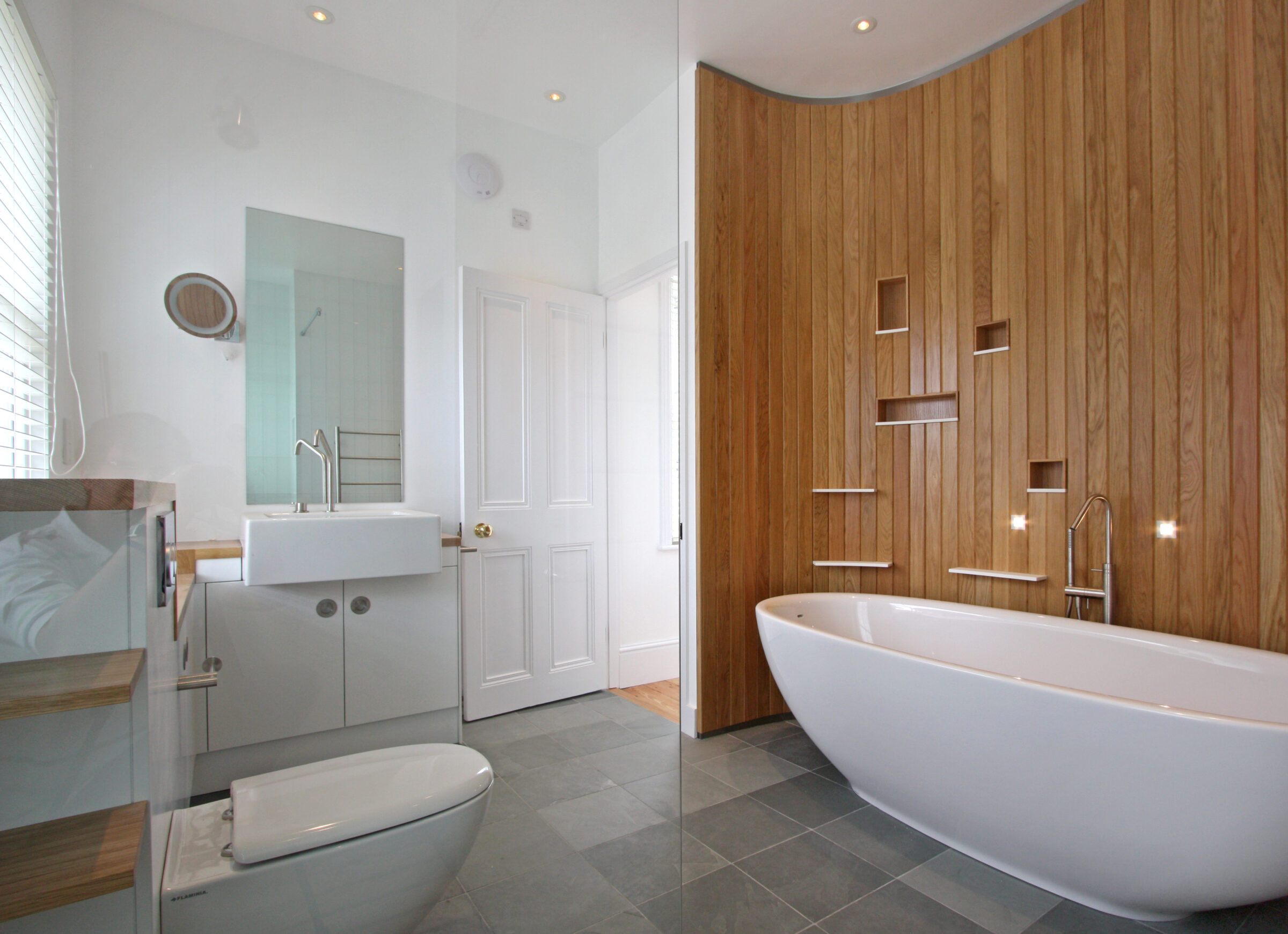
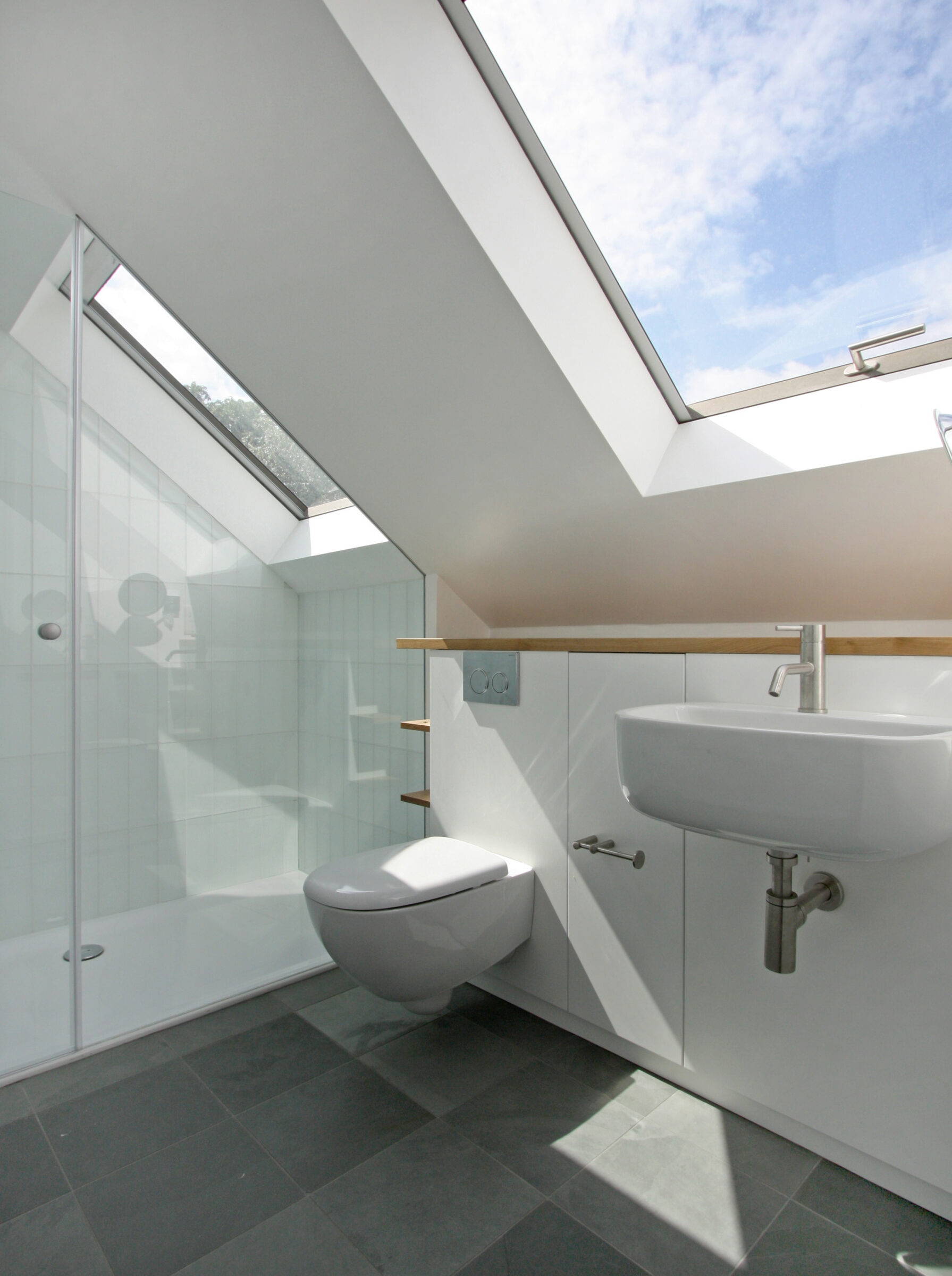
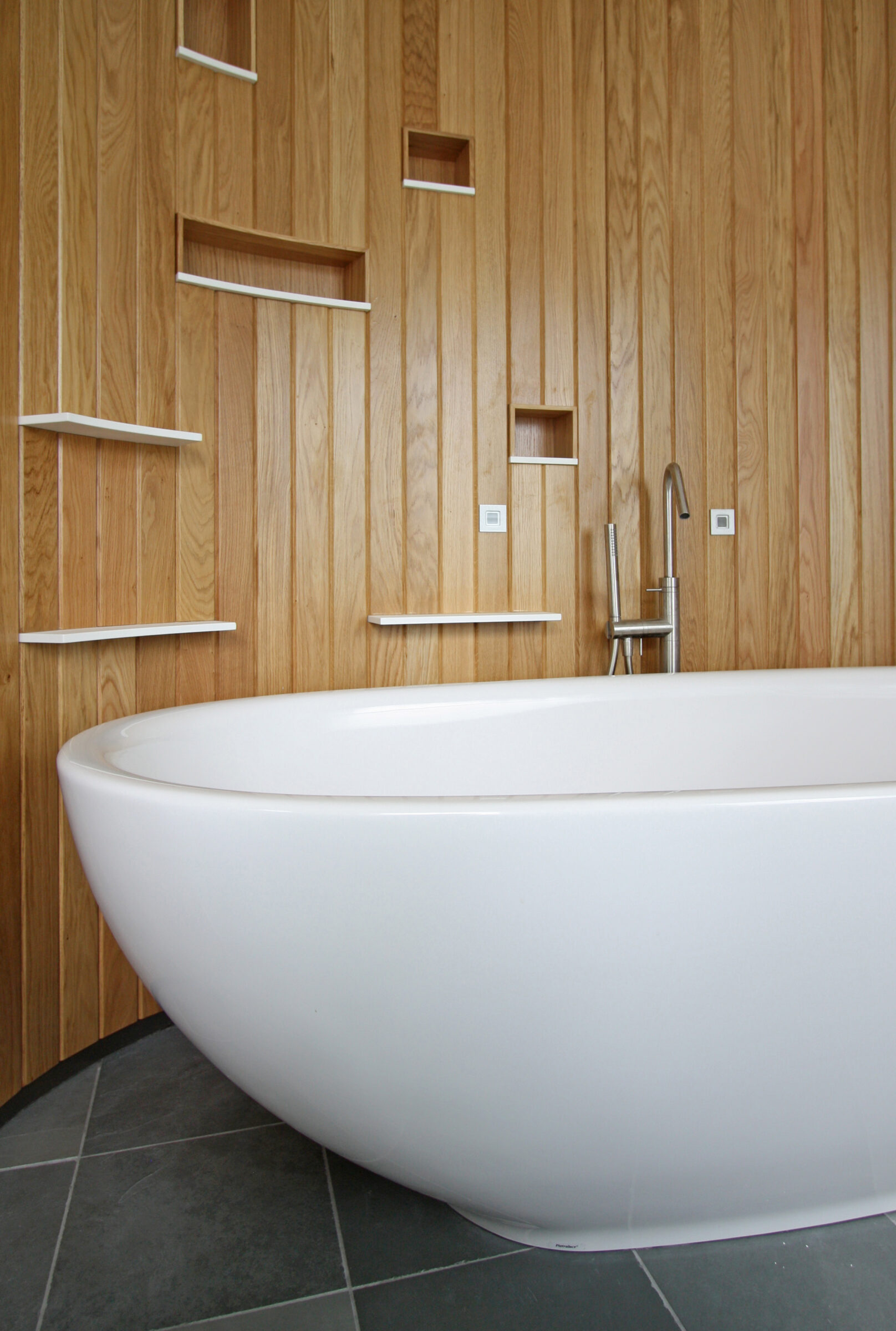
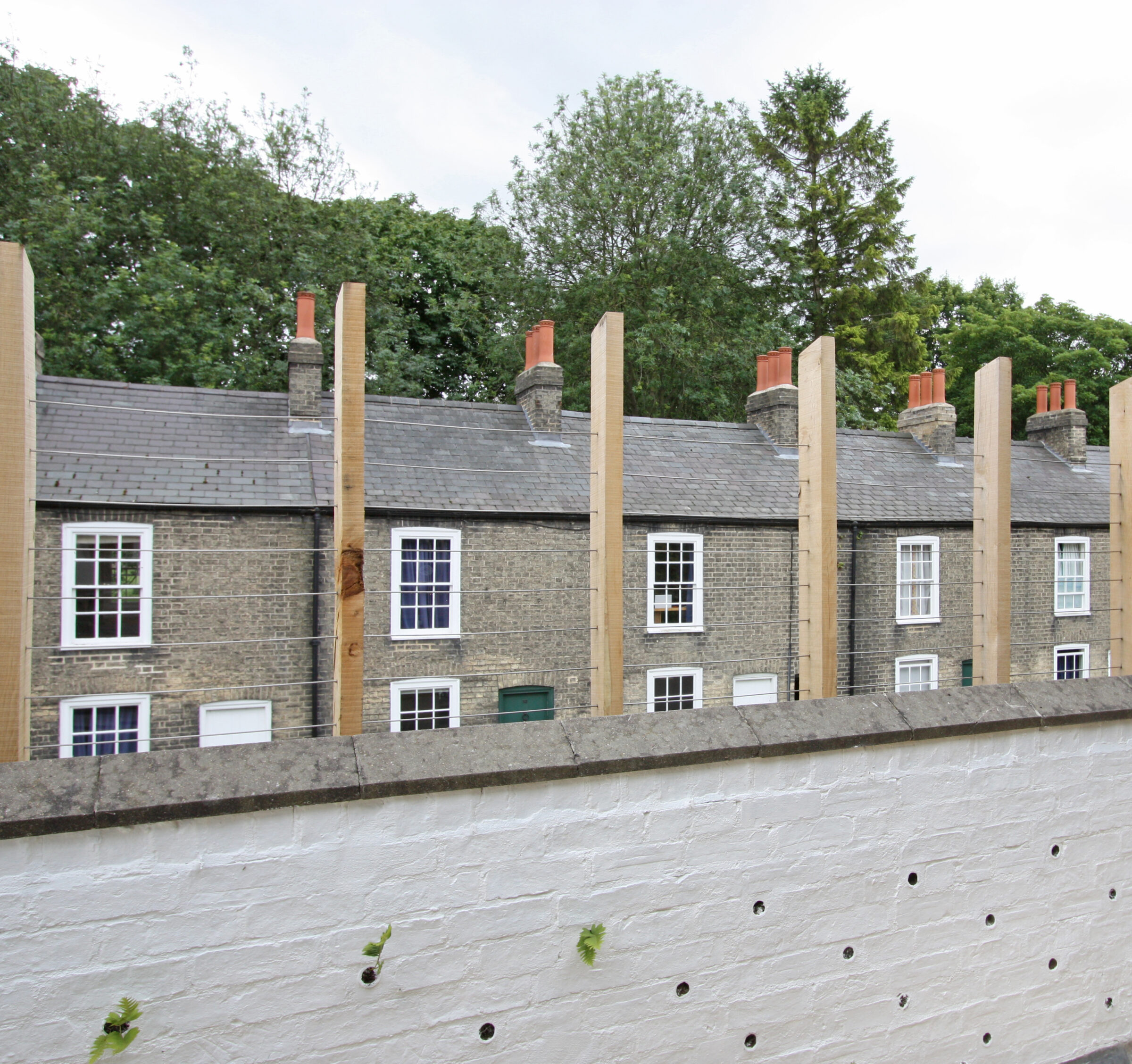
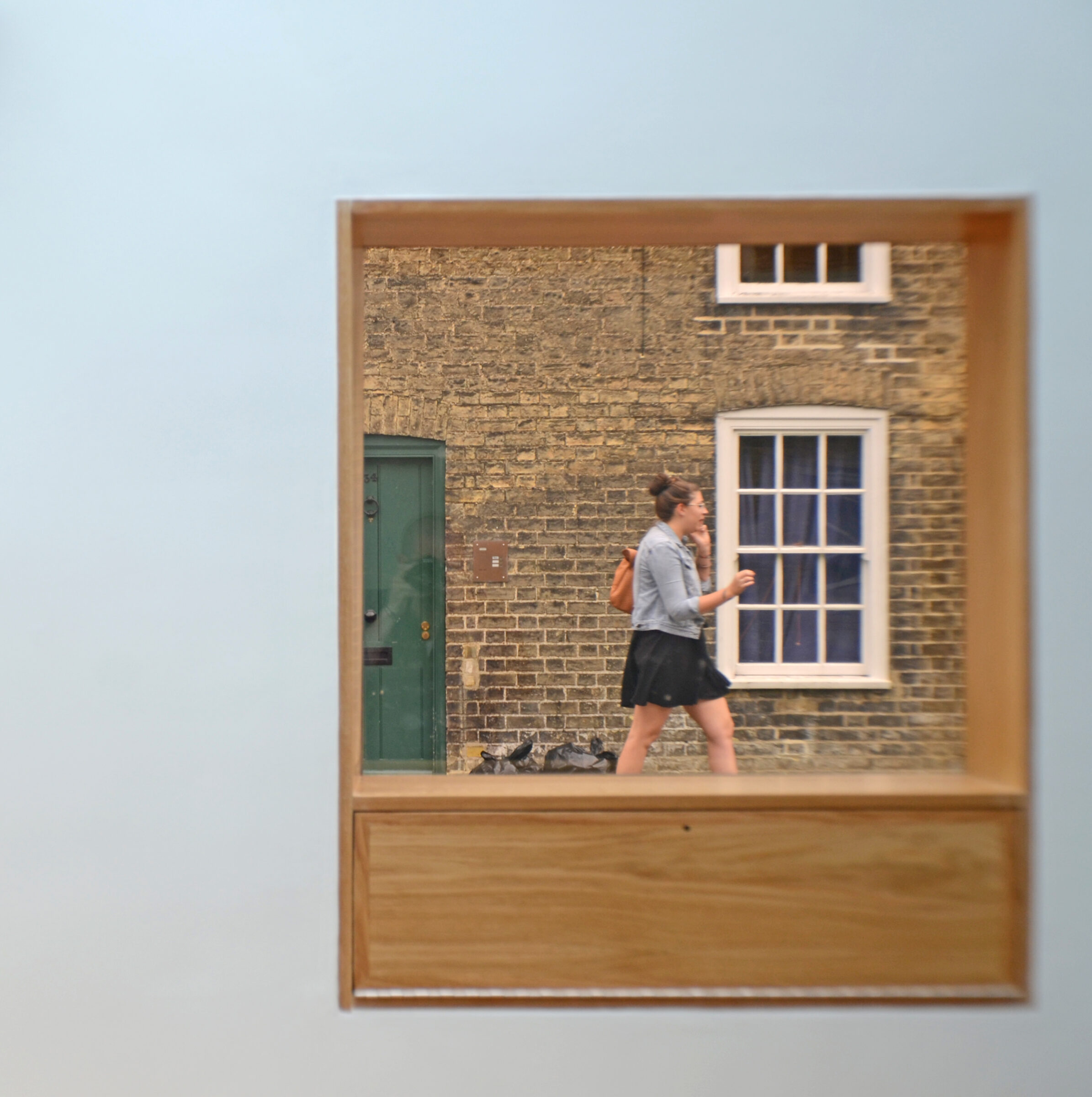
Concealed behind a new brick boundary wall to the street and featuring mirrored glass windows for privacy, this architectural intervention reclaims a previously dark, unused yard, pulling floods of natural light deep into the Victorian floorplan. Above this, a relaxed family room connects to an external terrace situated over the existing garage. The first floor features a luxurious bathroom with a bespoke curved, timber-lined wall that follows the profile of the bath, complete with integrated shelving and atmospheric lighting. Custom white gloss cabinetry with brushed stainless steel detailing and oak tops complements grand bedrooms that frame views over the green.
Period Craftsmanship & Thermal Performance
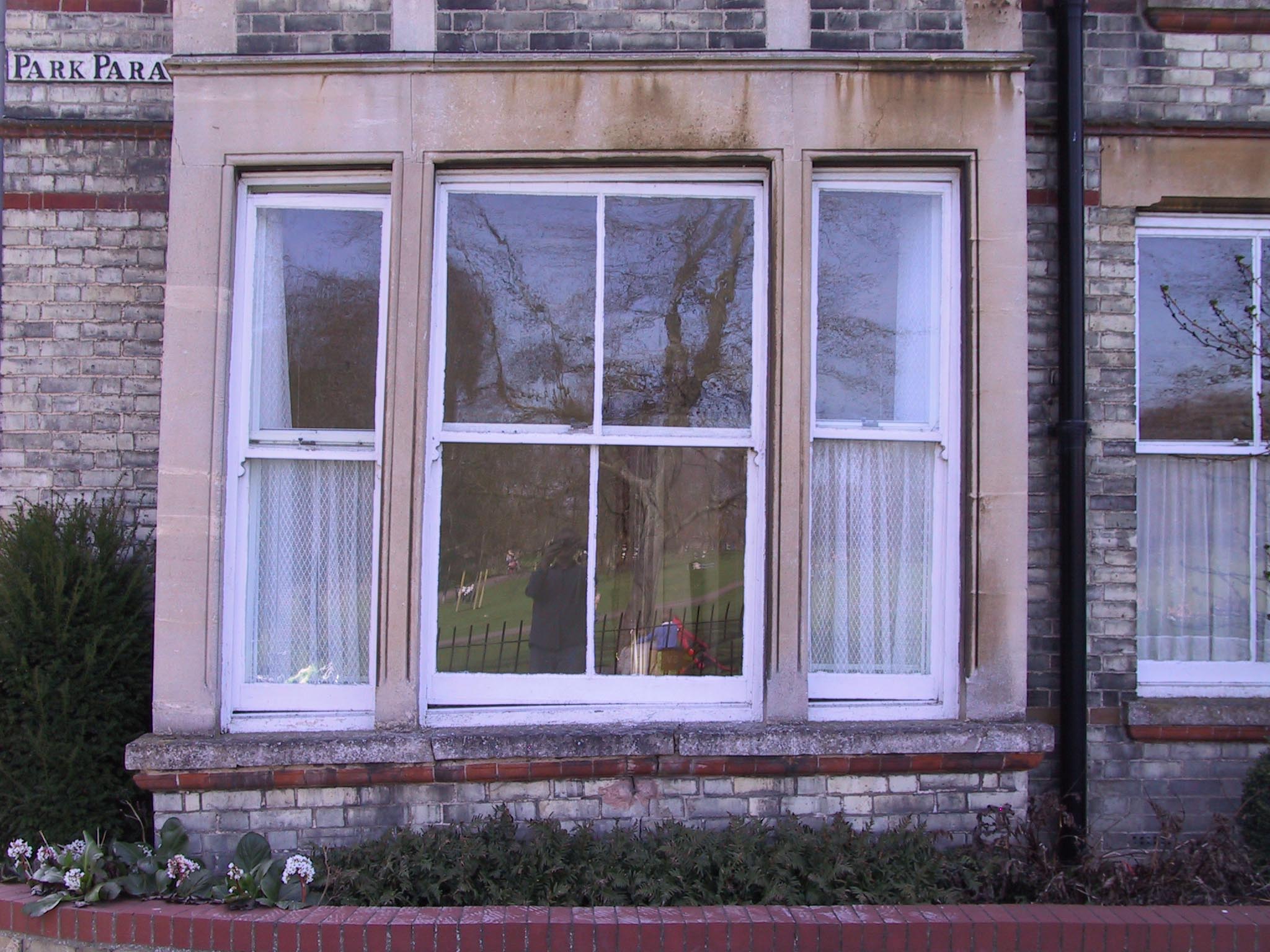
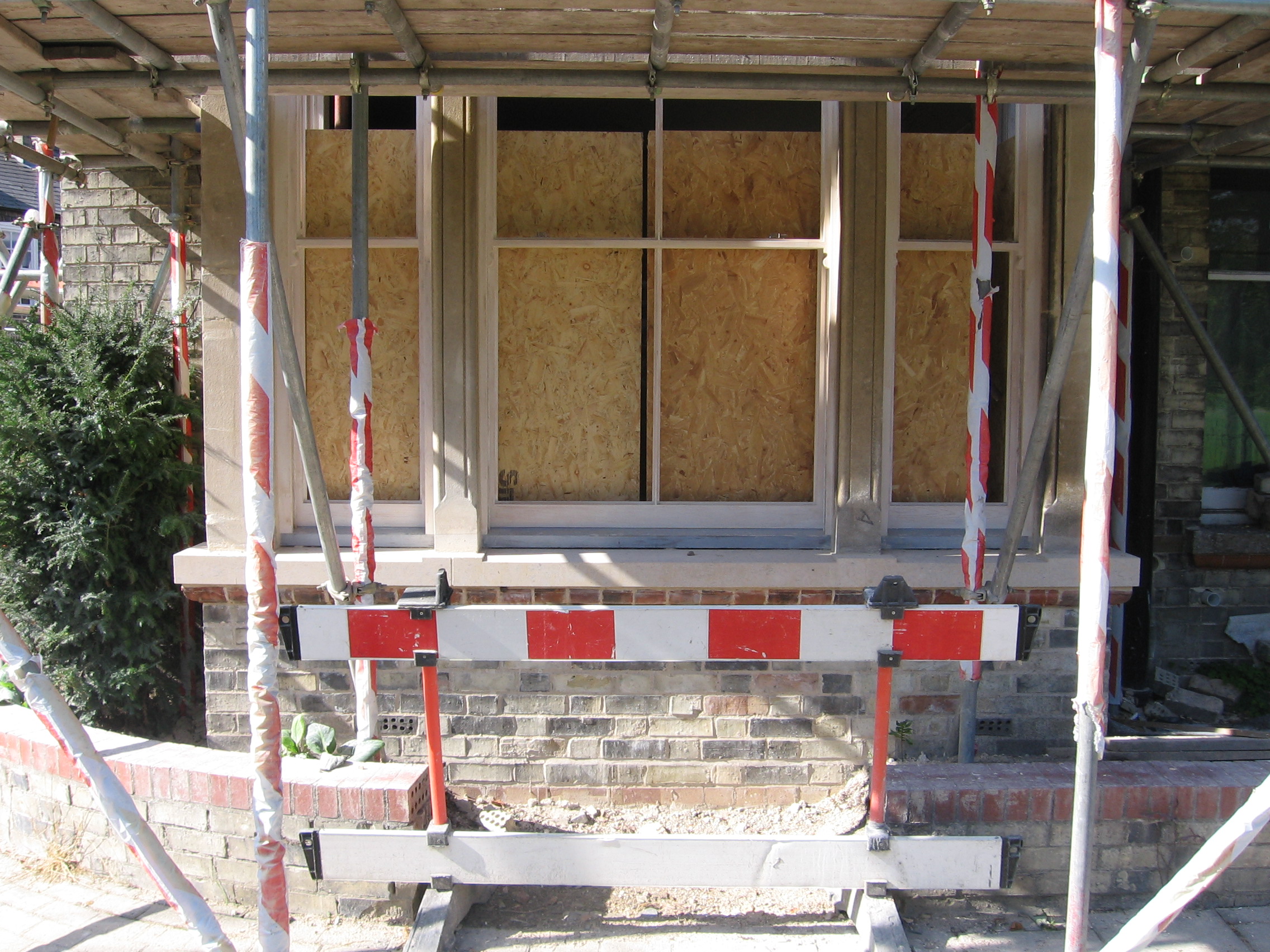
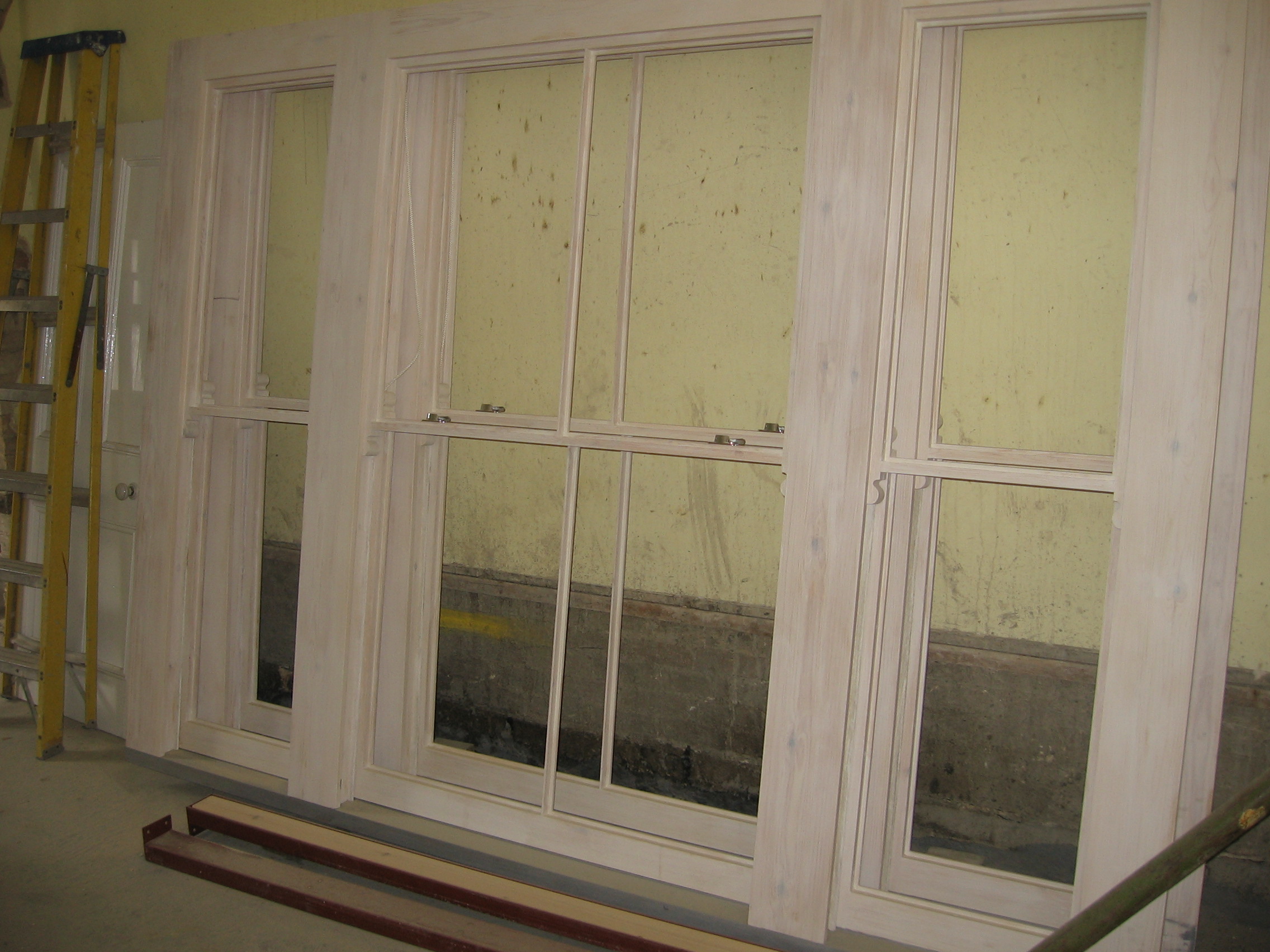
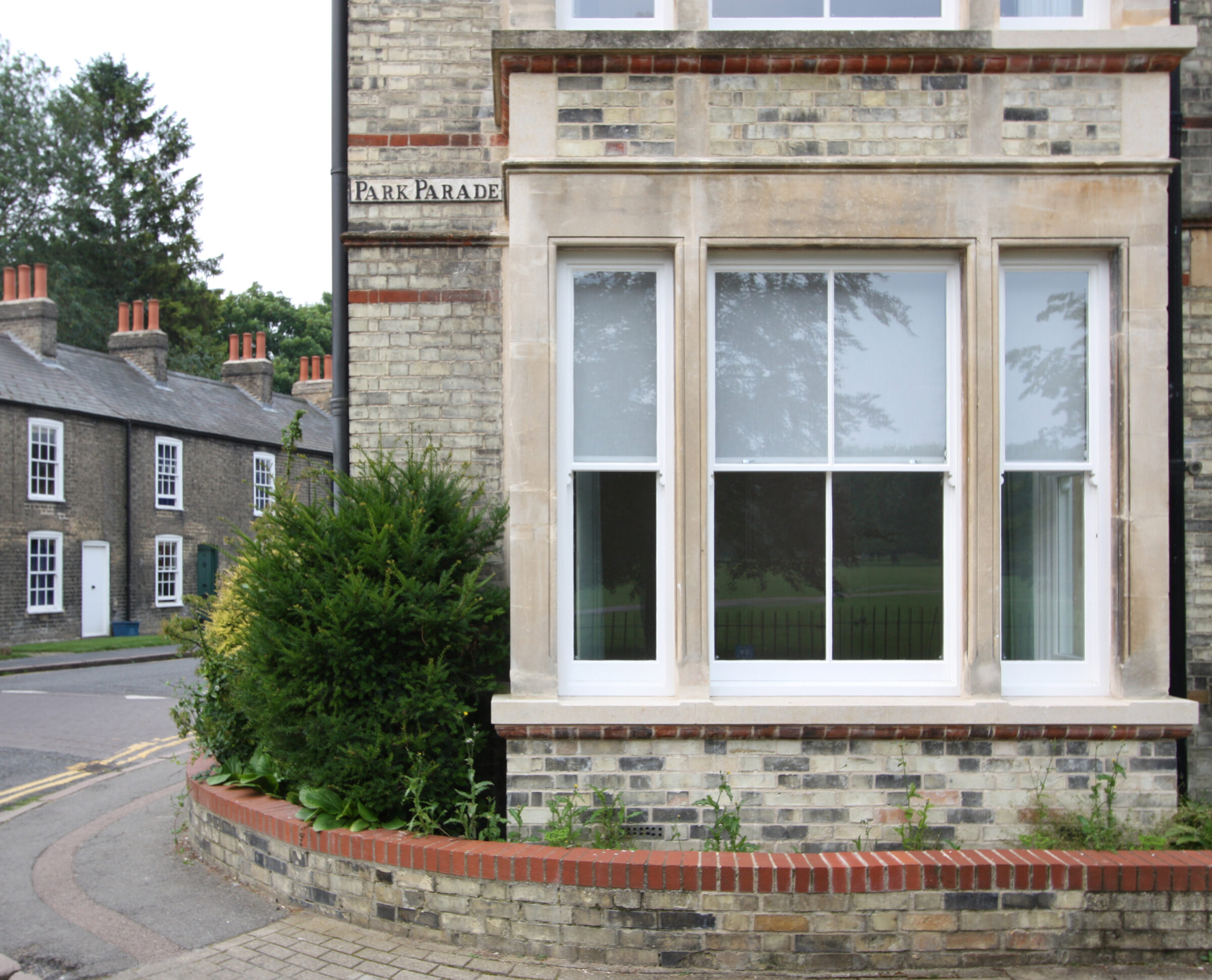
Situated in a prominent conservation area, the villa required a sensitive, highly technical approach to its period detailing. Internally, the original front reception rooms were meticulously stripped back and repaired. Externally, the structurally compromised front bay was entirely rebuilt, with specialist stonemasons commissioned to perfectly replicate the original carved detailing in Bath stone. Furthermore, bespoke Accoya timber sash windows featuring slimline double glazing were installed, meticulously matching the historic profiles while significantly enhancing the thermal envelope.
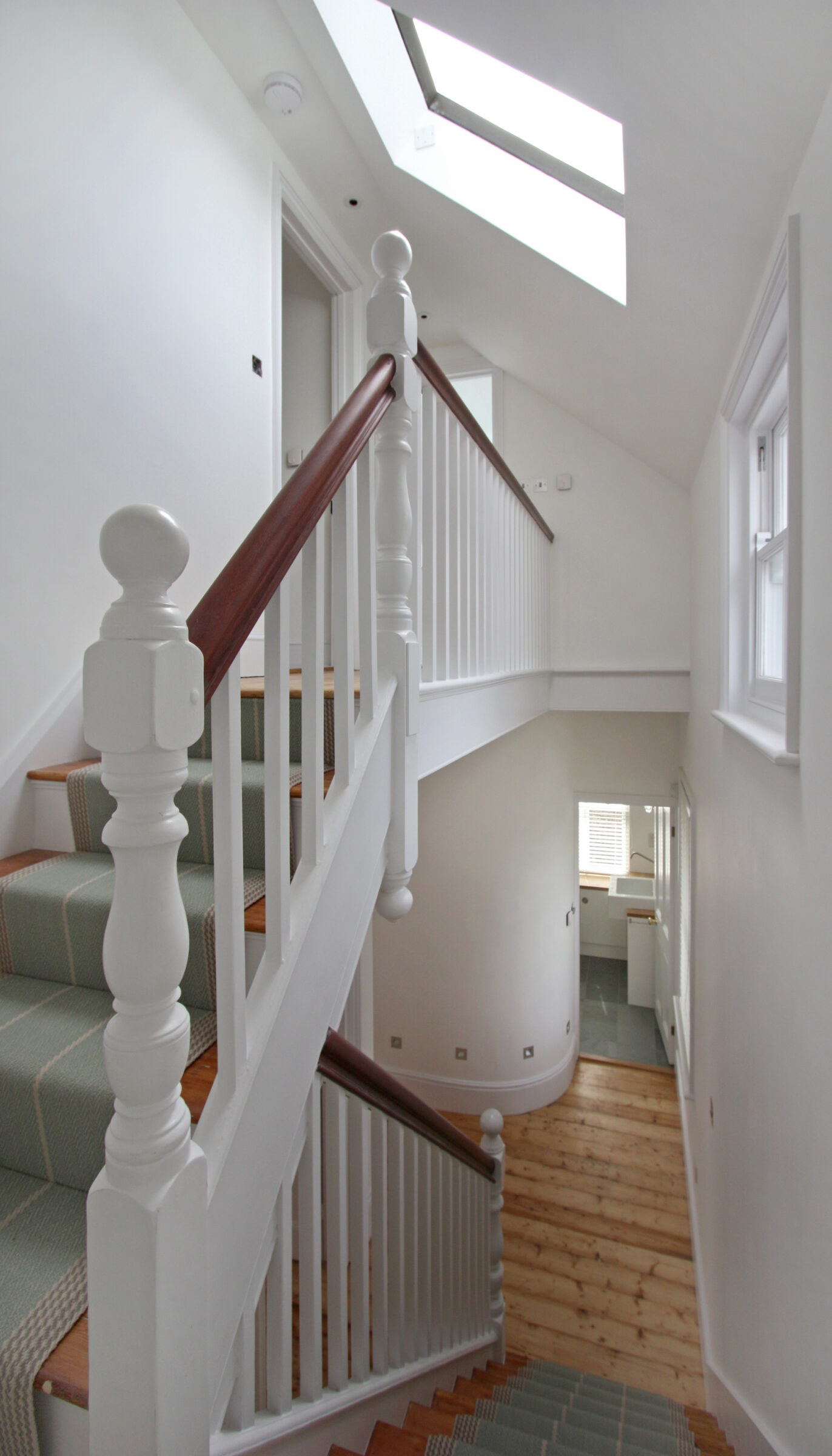
The rooms of the original house were stripped back and their original features preserved and repaired, while to the rear a poor quality modern addition allowed for a more radical approach.
On site