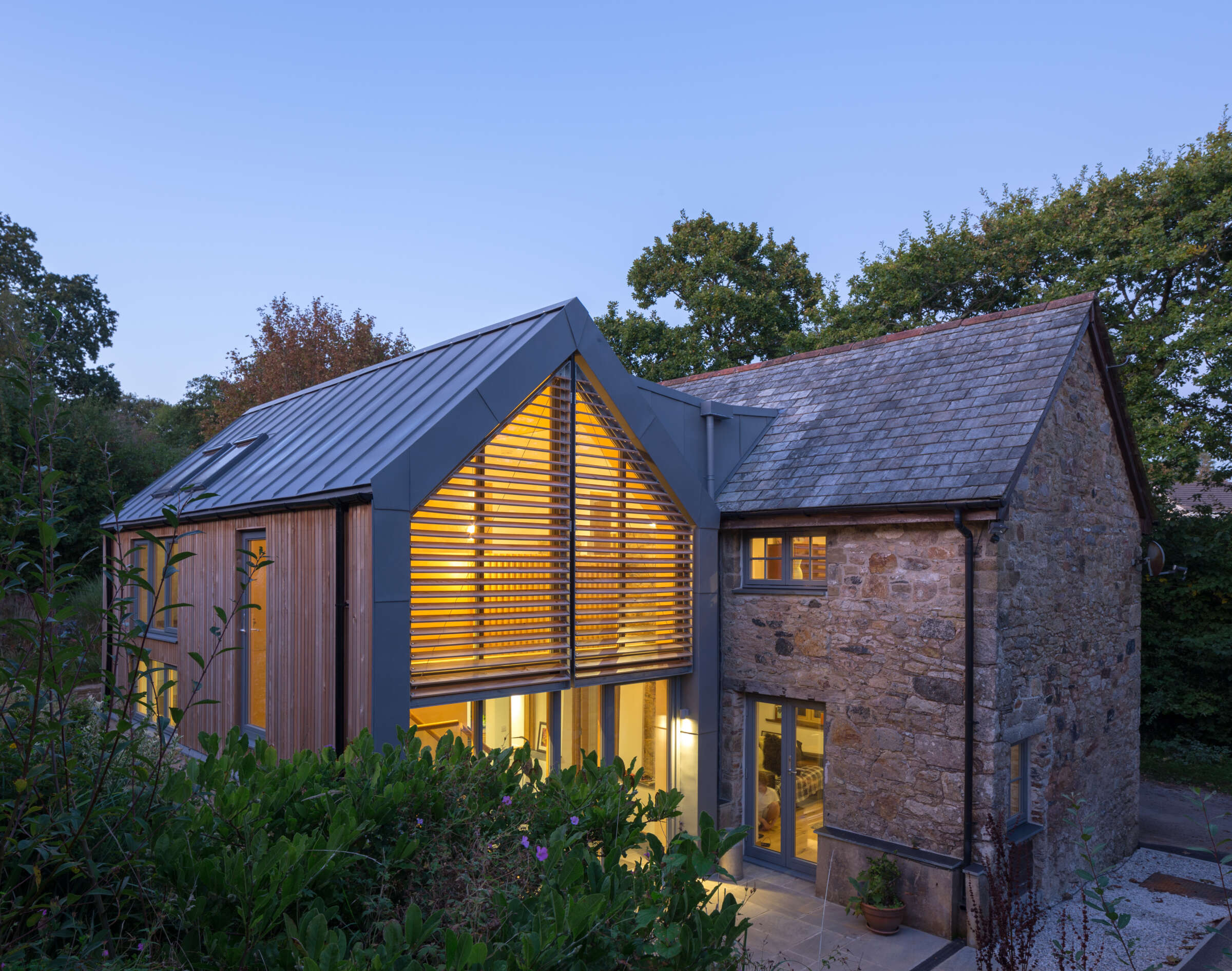
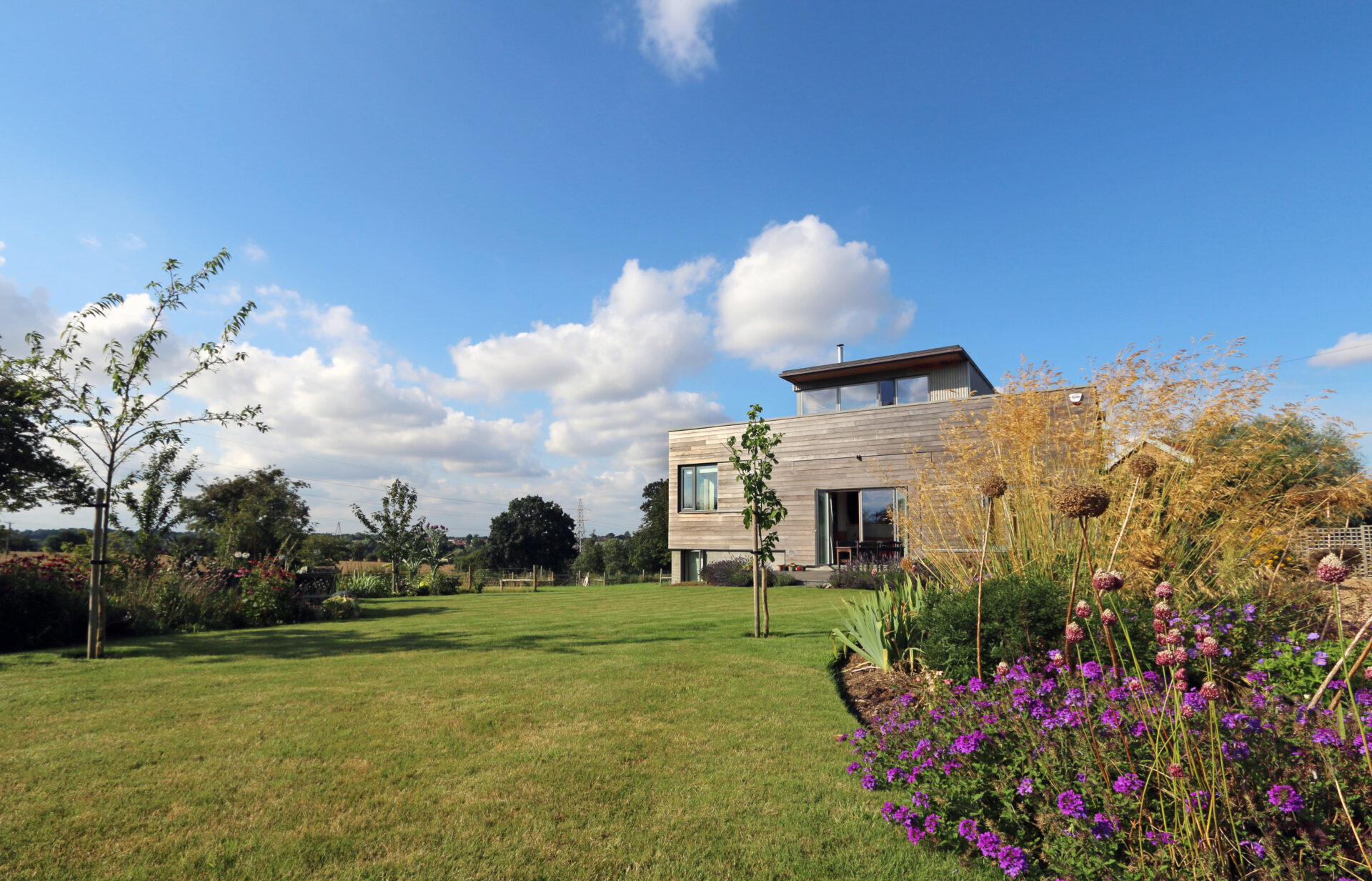
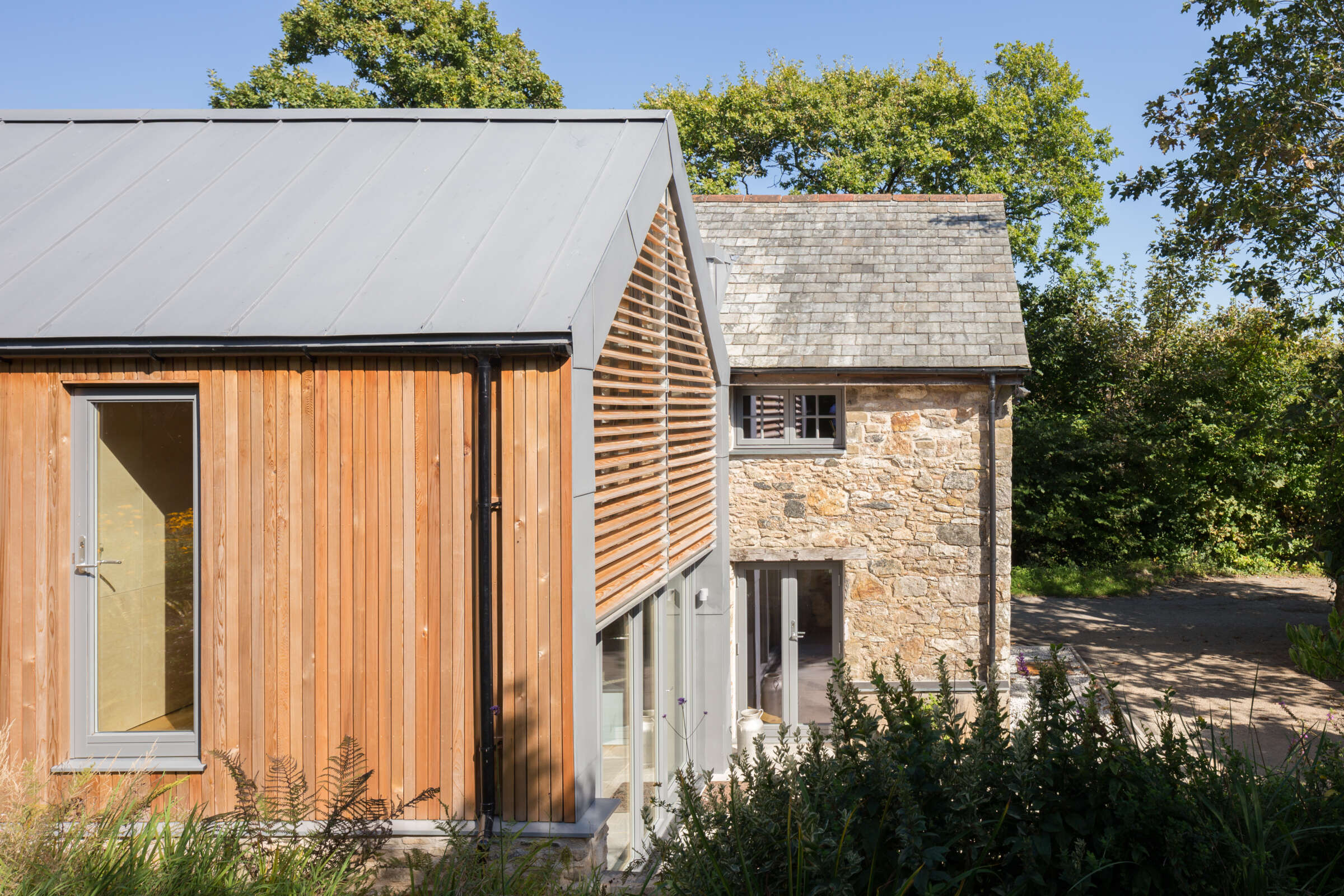
Our ambition is to craft the extraordinary out of the everyday. Our buildings are the result of simple ambitions executed with skill, expertise and passion.
We believe that architecture is a shared journey. We work closely with you, listening and collaborating to ensure the design is not just imposed, but evolved together.
Many of our clients share our aims: to build well and with meaning, to protect the environment and to enhance connections and relationships. We work on projects across Devon and the SouthWest.
Ethos
We design for the people, activities, and interactions that will happen within the settings we create. We believe architecture should lift the spirits – creating delight and allowing for meaningful experiences. Whether through an unexpected sense of space, a carefully framed view, the warmth of the sun, or the play of light through an interior, we create spaces that invite you to pause and enjoy the moment.
Our focus is on bringing these experiences to life and fostering a sense of belonging. This comes from listening deeply and reading between the lines of a brief to reveal hidden opportunities.
Our work is rooted in its local context, ensuring every building contributes to its setting. Sustainability is not an addition, but the foundation. We look to passive solutions, local materials, and environmental expertise to minimise energy requirements naturally and reduce the impact of our designs. As members of the Association for Environmentally Conscious Building (AECB) and the Passivhaus Trust, and signatories of Architects Declare and RIBA 2030 climate challenge, we hold ourselves to the highest standards of performance.
We are specialists in sustainable contemporary residential design – from new homes to sensitive conversions – adding value through creative thinking that goes beyond the expected.
Why work with us?
We believe that building a home should be one of life’s most rewarding journeys, not a source of stress.

We work with you, not just for you. From the first sketch to the final handover, we act as your guide, navigating the complexities of planning, budget, and construction on your behalf. We pride ourselves on a process that is open, collaborative, and clear – translating your personal narrative into a built reality that exceeds what you thought possible.
Why Threshold?
- We Listen Deeply: Your home is a reflection of you. We take the time to understand how you live, ensuring the result is tailored to your daily rhythms.
- We Navigate the Complex: We are experts in securing planning in Devon’s most sensitive landscapes, including National Parks and AONBs.
- We Design for Comfort: As qualified Passivhaus designers, we ensure your home isn’t just beautiful to look at, but a joy to live in – warm, quiet, and healthy.
- We Protect Your Investment: We balance ambitious design with technical rigour, ensuring your project is viable, sustainable, and built to last.
People
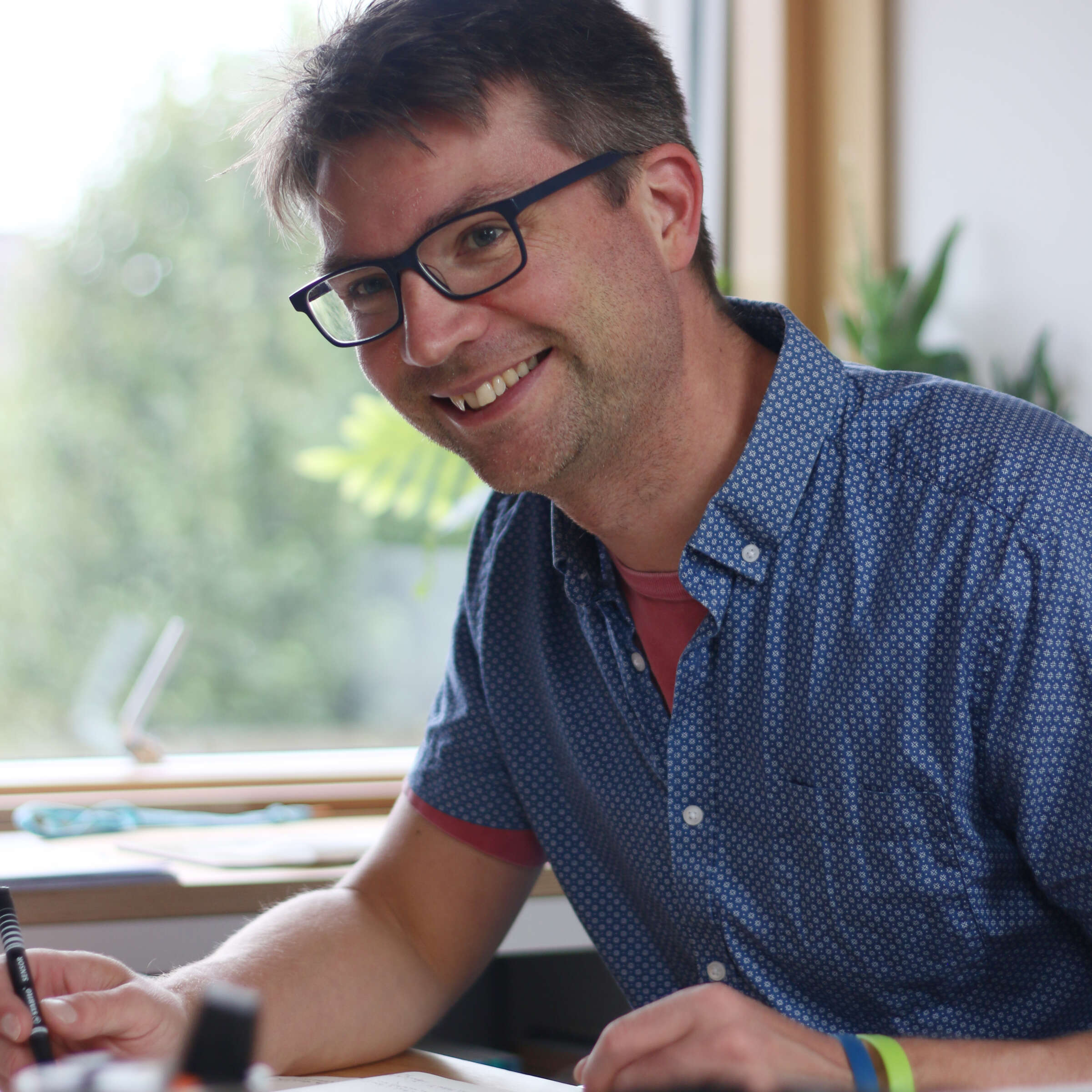
Tim Offer MA(Cantab) MArch RIBA ARB
Tim grew up in Devon and founded Threshold (Tim Offer Architects) in 2013. Prior to this Tim was a senior architect at Mole Architects in Cambridge. Tim also has a wide experience working on award winning projects at a variety of scales at Studio Partington, Foster + Partners and Nicholas Hare Architects in London.
Tim is a qualified Passivhaus designer and is experienced in delivering low energy schemes, as well as having a keen eye for detail and specialist construction knowledge.
Tim is a skilled and creative designer and educator, having managed and taught university architecture design studios for over a decade, at Cardiff, Kingston, Nottingham and Plymouth. Tim has also managed and taught professional practice, technology and construction courses at Plymouth.
Tim sits as a panel member on the Southwest Design Review Panel, is a trustee of local schools and has been a parish councillor. In his spare time he likes to get out on his bike and coaches junior rugby.
Tim helped us to identify and understand the issues and had loads of creative and practical ideas to try to solve them. He was personal and engaging, and really helped us to understand the process and how to make the most of the house. He was always willing to answer our silly questions! We would definitely recommend.
JC, Old Ford
How we work
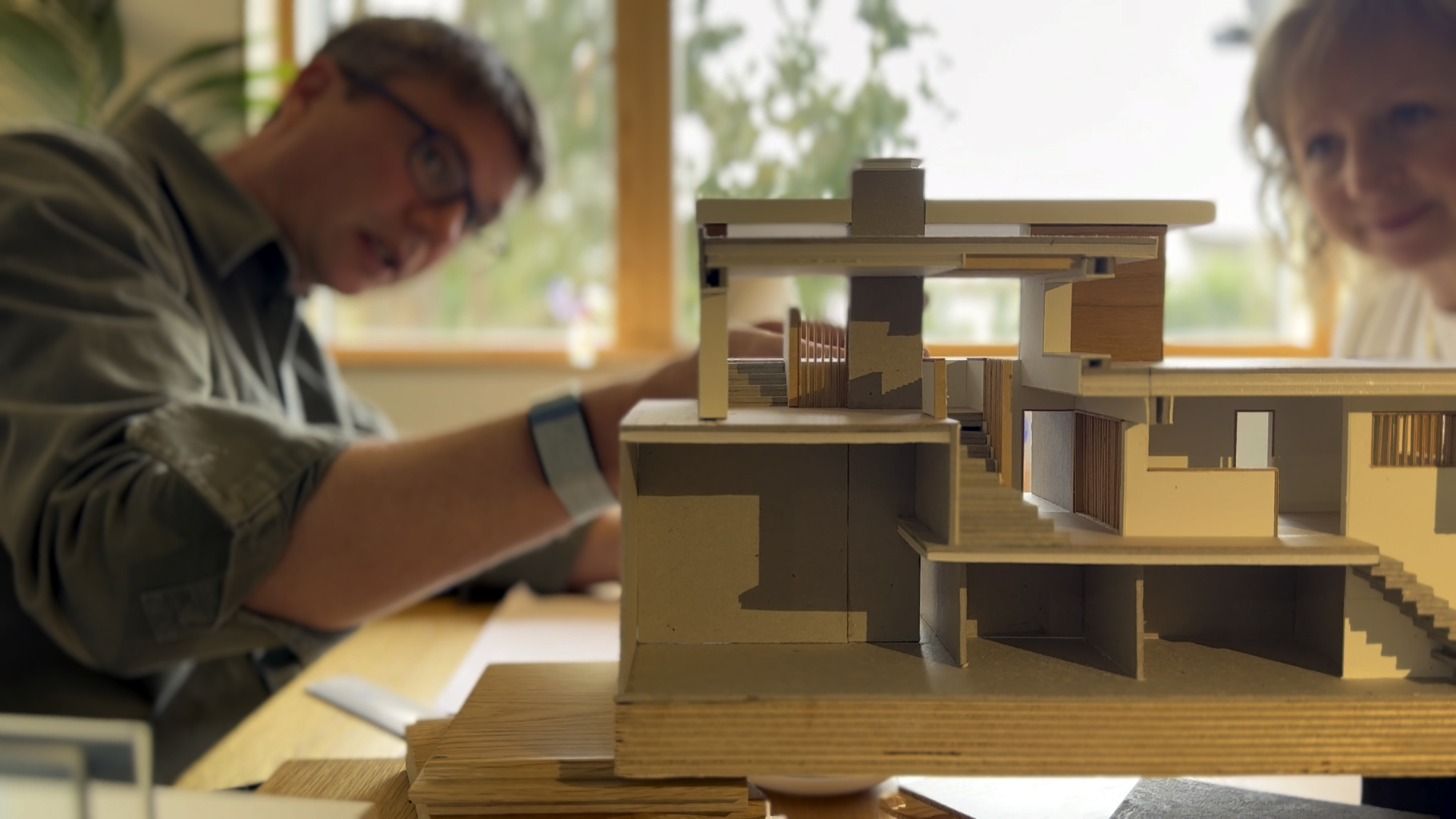
While a building project is a serious exercise, we want to make the process as enjoyable as possible. The practice aims to provide high quality and sustainable architecture together with a bespoke and personal service.
The process of creating a project is key to its success. We approach every project in a collaborative way, looking to understand you and your needs – beyond what is written in the brief. This allows us to find unexpected opportunities and solutions.
We pride ourselves on the quality of our service. Each project emerges through collaboration with you and other stakeholders to ensure that it addresses clear needs and aspirations.
Through research and dialogue our projects are enriched and honed through drawings and models. Our thorough approach means we maximise value, focusing expenditure to where it is needed most. It also means that you have the information you need to make clear and effective decisions.
Services
We offer a full architecture and design service, from initial briefing to completion, and our services can be tailored to the needs and budget of each project.
Bespoke New Homes
We craft individual homes that respond to their setting and your lifestyle. whether it is a contemporary coastal retreat or a rural sanctuary, we combine high end architectural design with Passivhaus performance to create spaces of exceptional comfort and low energy demand.
Transformative Retrofit & EnerPHit
We breathe new life into existing buildings. Using EnerPHit principles (the Passivhaus standard for retrofit), we upgrade cold, tired properties into modern, energy efficient homes. We handle the technical complexities of deep-retrofitting to ensure you gain a healthy, future proof home without losing its original soul.
Heritage & Barn Conversions
We specialise in the sensitive reimagining of agricultural and listed buildings. Our expertise lies in marrying the historic fabric with contemporary living standards, ensuring that light, warmth, and modern flow are introduced without compromising the building’s character or planning constraints.
The Full Journey
We support you through every stage of the RIBA Plan of Work:
-
Feasibility & Concept: unlocking the potential of your site.
-
Planning & Listed Building Consent: navigating local authority requirements.
-
Technical Design: rigorous detailing for performance and cost certainty.
-
Construction: contract administration to ensure the build matches the vision.
Our Process
Our workstages follow the RIBA plan of work, but have been adapted to the major project milestones:
Listening & Discovery
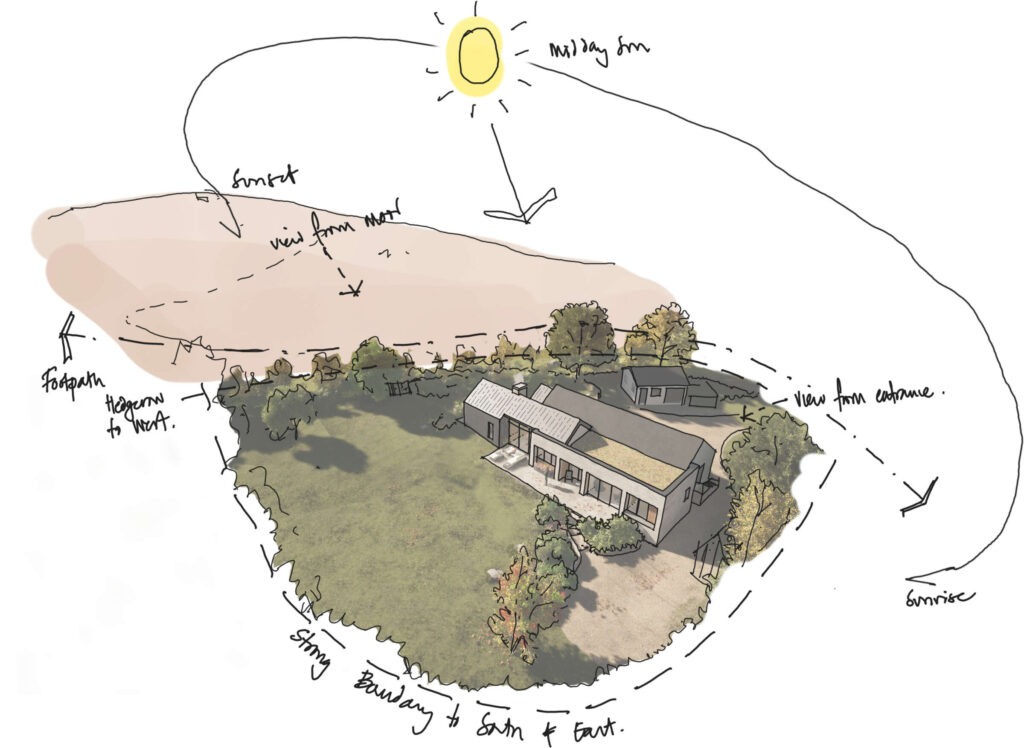
Stages 1-2
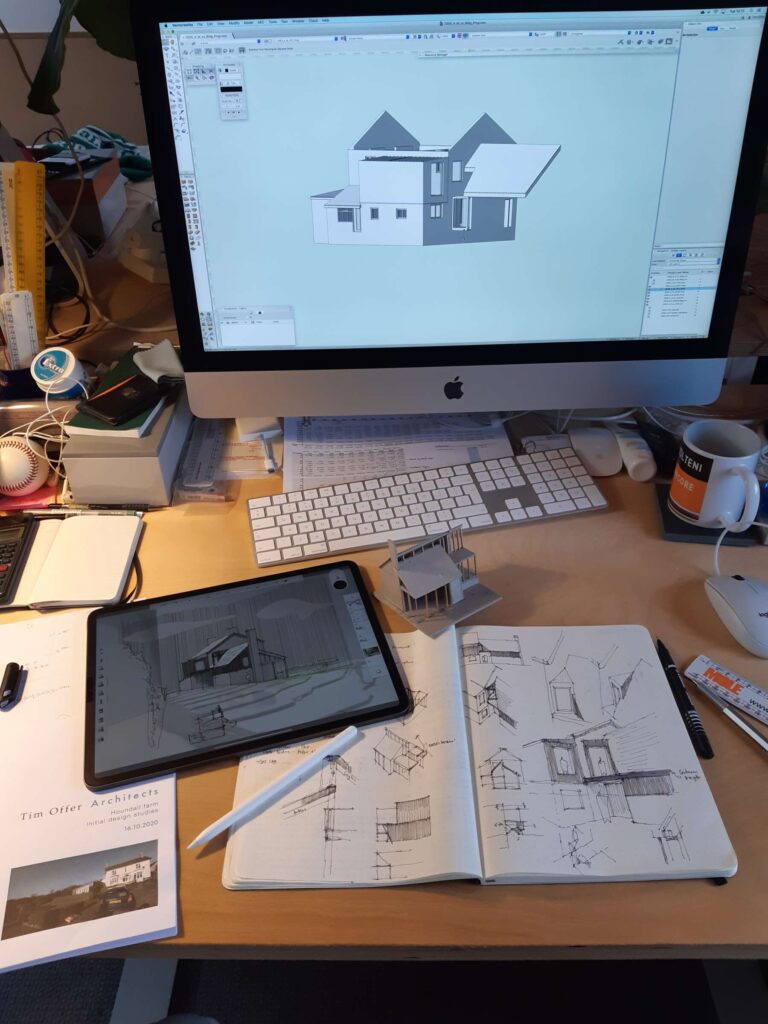
Every project begins with a conversation. We take the time to listen deeply – getting to know not just your site, but the way you live. This is the most creative and enjoyable part of the process, where we challenge assumptions and explore the “what if.” Through sketches, physical models, and dialogue, we translate your initial thoughts into tangible concepts, establishing the sustainable strategies that will define your home from the very start.
Refining the Narrative & Planning
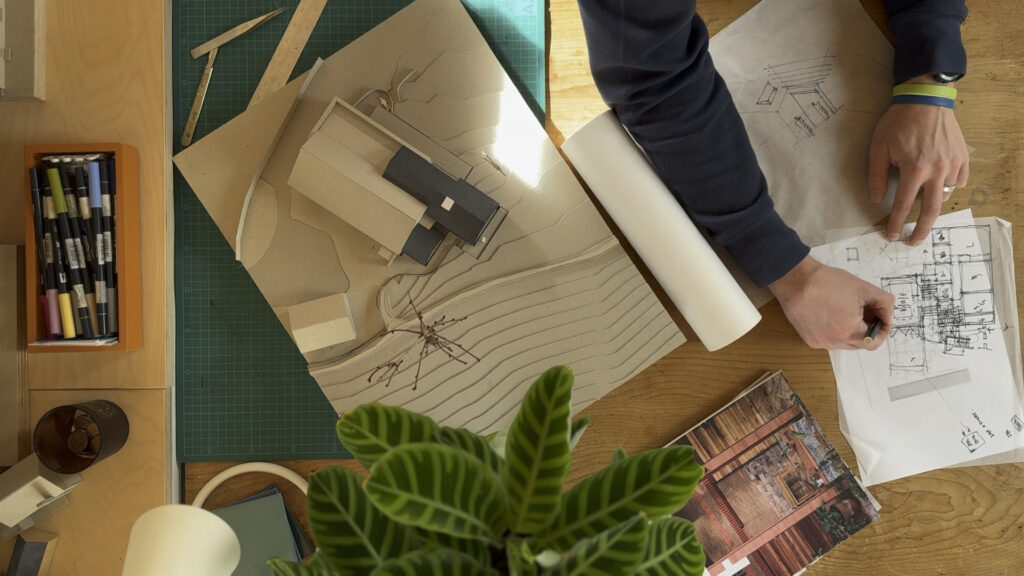
Stage 3
Here, the concept evolves into a detailed architectural reality. We hone the spatial qualities, light, and materials, using Passivhaus tools to test performance and comfort alongside the aesthetics. Once the design is agreed, we navigate the planning landscape on your behalf. We are meticulous in our preparation, with a proven track record of securing permissions in Devon’s National Parks, AONBs, and conservation areas, ensuring your vision is protected.
Technical Rigour & Craft
Stage 4
This is where poetry meets physics. We delve into the technical detail that turns a drawing into a high performance building. Collaborating with structural engineers and specialists, we produce a comprehensive set of construction information – from the thermal envelope to the final joinery. This rigour allows for accurate tendering, giving you cost certainty and the confidence that the quality you see on paper will be delivered on site.
Realisation & Handover
Stage 5
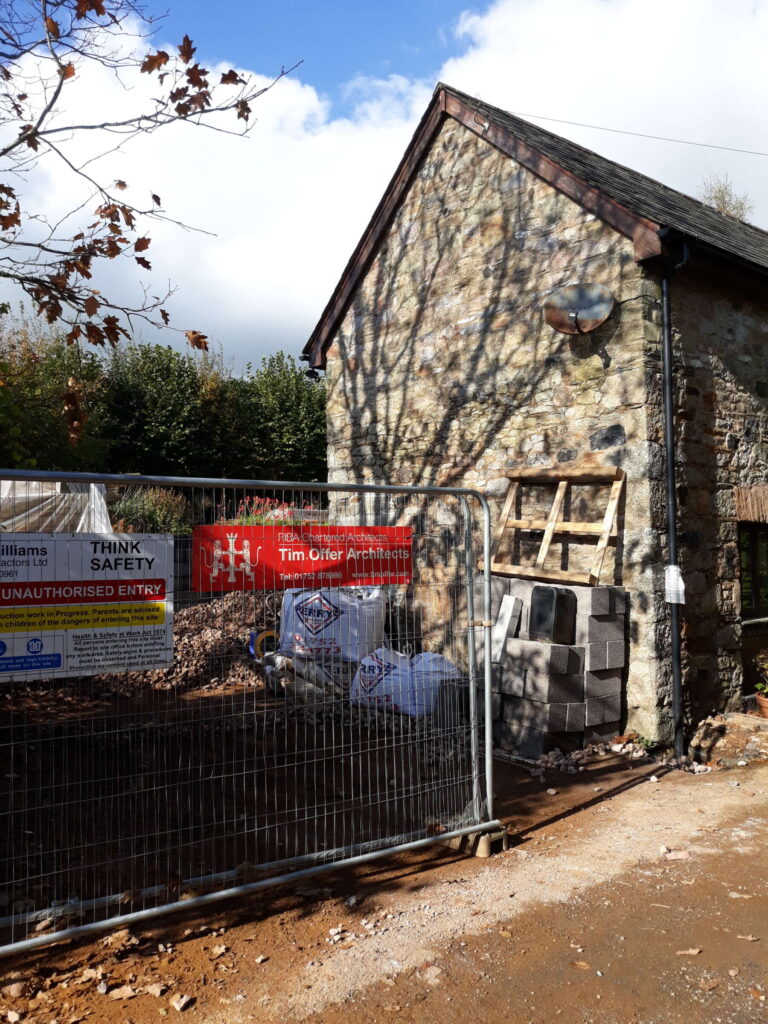
Building is a complex process, but you don’t have to face it alone. As your Contract Administrator, we act as your advocate on site – monitoring progress, controlling costs, and ensuring the craftsmanship matches our shared ambition. We remain by your side until the final handover, helping you settle into your new home and understanding how to live with its systems, ensuring the transition is as seamless as the design itself.
‘Tim’s attention to detail was impressive, ensuring the delivery of the house for which we hoped. An extremely professional, responsive and friendly service’
IP – Millway Lane
Awards
2025 Build Architecture Awards – Passivhaus Design Specialists – South West England
2024 Build Architecture Awards – Sustainable Residential Architecture Practice – South West England
2024 Build Architecture Awards – Residential Extension Project (South West England): Lutterburn
2023 Sustainable Building Awards – Devon Sustainable Architect of the Year
2022 Great British Architects Awards – Devon Leaders in Sustainable Residential Architecture
2020 Daily Telegraph Homebuilding and Renovating Home of the Year, Best Extension – Lutterburn, South Hams
2020 Galvanizers Association National Architecture Awards Shortlist – Lutterburn, South Hams
2020 Design and Build Awards – Specialists in Residential Design, Devon
2019 Galvanizers Association National Architecture Awards Shortlist – The Square, Plymouth
2019 Build Architecture Awards – Devon Residential Architect
2018 LABC Southwest Building Excellence Awards Shortlist – The Square, Plymouth
2017 Build Architecture Award – Church Road, Wembury
2015 RIBA House of the Year Longlist – Millway, Suffolk
2015 RIBA East Client of the Year – Millway, Suffolk
2015 RIBA East Sustainability Award – Millway, Suffolk
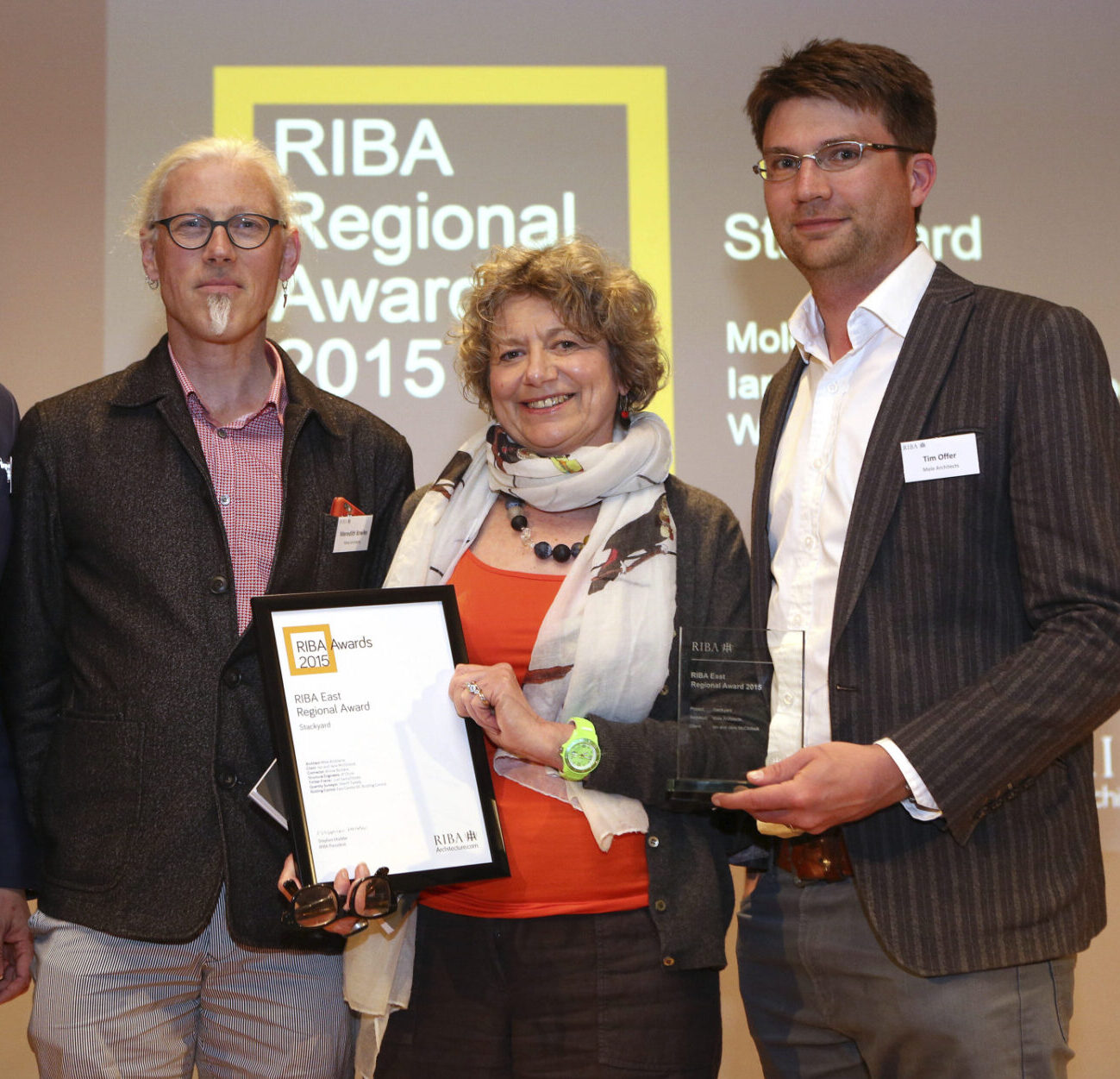
2015 RIBA East Award – Millway, Suffolk
2014 Ideal Home Best House – Millway, Suffolk
2013 LABC East Anglia Finalist – Jesus, Cambridge
FAQs
Have questions about our services, process, or anything else? We’ve got answers. If your question isn’t listed, please reach out, and we will be delighted to assist you.
I’m thinking about a project; where do I begin?
Right here!
Any building project can be daunting, especially if you have never done it before. Why not give us a call or drop us an email and we can talk through the process in a little more detail or arrange an initial visit to discuss your aspirations and how we can help.
Why Use an Architect?
Architects are highly skilled and professionally trained to turn your aspirations into reality. They will guide you through the design, planning and construction process whether you are constructing a new building or adapting an existing property.
Architects apply impartial and creative thinking to projects large and small. They add value, whether from maximising light and space, adding functionality, or achieving the best return on your investment.
An architect can help you at every stage of a project: from getting the brief and the design right at the start; through negotiating planning and building regulations and working out how it will be built; right up to administering the works on site, working with the builders to get it built as you want it. And an architect has done it all before, so will be able to guide you through the process and make it as stress free and as enjoyable as possible.
Have a look at the RIBA website to find out more.
What is the difference between an architect and an architectural designer?
Qualifications and professionalism.
The title ‘architect’ is protected by law. Only people on the Architects Registration Board (ARB) register can call themselves architects. Architects are subject to rigorous training and codes of conduct; they study design for many years (it takes at least 7 years to qualify), and should be masters at creating spaces and using them as efficiently as possible. As professionals, architects are also bound by codes of professional conduct to put the interests of their clients first. The ARB requires that all architects carry professional indemnity insurance, which provides peace of mind for clients.
Architectural technologists are also professionals, registered with the Chartered Institute of Architectural Technologists (CIAT). They also have to go through rigorous training and qualifications to become chartered. Broadly speaking, technologists tend to be more detail and construction focussed, and architects tend to be more aesthetically minded, but this isn’t always the case. At Threshold we pride ourselves on every aspect of our service.
Anyone can call themselves an architectural technician or architectural designer. You don’t need any qualifications, or have undertaken any training to do so. That doesn’t mean that they are all bad; some will have completed parts of the training to become an architect or a technologist, or may have trained as engineers or surveyors. Others, however, will have no formal training at all. As a professional body does not regulate them they have no professional obligations to look after their clients interests or to carry professional indemnity insurance. You should always check whether your designer has appropriate insurance, and ensure that they will be giving you the level of service that you require. Always insist on a formal appointment setting out the terms of service and look at previous work before engaging someone.
See the ARB website and the CIAT website for more information.
Why use a chartered architect?
Only architectural practices that meet strict eligibility criteria can register as a Royal Institute of British Architects (RIBA) Chartered Practice. They need to employ RIBA chartered architects, have appropriate professional indemnity insurance, have quality management and other policies in place, and most importantly conduct themselves in accordance with the RIBA code of conduct and code of practice.
Chartered practices are committed to excellence in design and customer service. That’s why the RIBA only promotes accredited Chartered Practices to clients.
Find out more on the RIBA Website.
I know what I want – what can an architect add?
Architects are problem solvers, who will ensure that you address the core needs of your project to get to a solution that meets those needs. An architect will work closely with you to hone your ideas into a brief, and will also be able to identify solutions and opportunities that you may not have thought of. An architect will be able to suggest layouts, materials and products that go beyond the conventional to truly meet the needs of the project and maximise returns. This is what we are trained to do – to think creatively about a problem to come up with solutions that are not always obvious.
An architect will also anticipate the unintended consequences of any decision. An 8m deep extension on the back of your detached house may sound great in terms of the additional space, but what about the natural light and airflow in the middle of the plan?
I have a builder who says he can sort it all out…
Having a builder on board is great – they are sometimes hard to come by!
But you should use people for jobs that are appropriate to the skills that they have. A builder is usually great at building things, but is unlikely to produce accurate and detailed layouts and schedules, which will make it very difficult for you to know what you are going to get and agree exactly what work will be done. If you leave it to your builder then they will be deciding your construction materials and methods, the performance of the fabric, the heights of windows, the details of the eaves, the number of sockets in each room….
This often ends in misunderstandings and a long list of additional extras that weren’t discussed at the start but are essential to your satisfaction with the project. These extras will end up costing you more as the project progresses.
Won’t an architect cost me a lot?
Investment at the right stages of the project will save you money in the long run. Getting the brief and the design right at the start reduces the need to make costly changes when on site. A full set of drawings will allow accurate pricing and programming by a builder and with everything thought about and coordinated before you get to site you can be confident of what you are going to get and how much it will cost. You will also know that what you will get is what you want.
There is more information about architects fees on the RIBA website. We usually use fixed fees for most of our work, but different projects may use different methods.
“A good architect actually pays for themselves – more than once. You will reap the reward and the building will be hugely better and deliver much better value for it.”
Kevin McCloud, Grand Designs
Who else will I need to help?
Almost every job will need a structural engineer. There are a number of other consultants that might be needed too, from ecological consultants to check whether you have bats to party wall surveyors to draw up agreements between you and your neighbours. Every job is different and part of the briefing process is to identify what the project will need in terms of additional help and expertise.
Do I need planning permission?
You are likely to need planning permission if you are changing the outside of the building, or building something new. There are certain things that you can do under permitted development rights. Even these sometimes need to go through an application process before you can start work, however.
There is loads of useful information on the planning portal website. Or you could give us a call to have a chat about what you are thinking.
What are building regulations?
The building regulations help ensure that new buildings, conversions, renovations and extensions are going to be safe, healthy and high-performing. Detailed regulations cover specific topics including: structural integrity, fire protection, accessibility, energy performance, acoustic performance, protection against falls, electrical and gas safety. The building regulations are defined by the English and Welsh Governments.
Construction work is signed off by a local authority inspector as the project progresses. You can also have your designs signed off for compliance before you start on site so that there are no nasty surprises.
The planning portal has lots of information about this too.
How long will my project take?
For a typical large extension and reconfiguration project it may be 8-12 months before you even get started on site, allowing for proper briefing and design development, waiting for planning (a minimum of 8 weeks needs to be allowed for this), and then working out all of the detail and coordinating the work of other consultants like engineers and other specialists. Then you need to find the right builder at the right cost before you can start.
The work on site might take 4-6 months, or even longer if the conditions are complicated or you are doing something interesting.
How much will it cost?
You can ignore most of the budgets that you see on Grand Designs – these generally only work if you give up your job, manage the construction and do a lot of the building work yourself. Costs have also risen significantly over the last couple of years.
We currently advise to allow around £3000/m2 for new construction as a good base. Higher levels of performance and specification or more complicated designs will push this higher, and simpler projects may be a little lower than this. As projects get larger there are greater economies to be found as the one off costs are spread over larger areas. The opposite is true for smaller projects.
If you are installing items like kitchens or large areas of high performance glazing these should be considered as stand alone items on top of this. You can get good kitchens from Ikea on a budget, or spend tens of thousands for something hand crafted with top of the range appliances.
You should also factor in a contingency for anything unexpected and around 15% of the construction cost for all of your consultants’ fees and planning and building regs…
Oh, and then there’s VAT. If you are working on an existing house that’s another 20%, and usually 5% for conversions. New build houses are zero rated.
You also need to think about indirect costs too: where will you live while work is happening at your house? Will you need to borrow more on your mortgage to finance the project? Will you need additional insurance while the work is ongoing?
This is why it’s important to plan your project before you start. Work out what you budget is and hone the design to something that is realistic rather than bankrupting. To get a better idea of build costs you can employ a quantity surveyor to prepare a detailed cost plan as the design develops, or get a builder on board early to help hone the detail and the aspirations to the available budget.
How do I choose an architect?
You’ve already started; doing your research is key. Have a look at architects’ websites and give them a call to find out more or arrange an initial meeting. Most architects will meet to discuss your aspirations for free. If you want anything more detailed or any design work you should expect to pay a small fee.
Once you have narrowed down your options and got comparable fee proposals (make sure that they are all quoting for the same levels of service and deliverables to get a real comparison) you need to make a decision. Lots of factors will influence this. Cost will of course be important, but so will design quality, approach, personality and confidence. Getting building work done can be stressful, so you will want someone to guide you through it that you can trust and engage with, and whom you feel will be honest and straightforward with you.
Why should I use Threshold?
We pride ourselves on our service and outputs, but don’t take our word for it – give us a call and arrange a meeting. You can come and visit us in our studio to see how we work and examples of the information that we produce, or we can visit you on site to have a chat about your aspirations and how we can help with your project.
Either way, we love hearing from new people and sharing what we do, and hope that we might be able to help you with your project.
Ready to get your project started?
If you are thinking about a project, why not give us a call or drop us an email and we can talk through the full architectural process in a little more detail or arrange an initial visit to discuss your aspirations and how we can help.
Get in Touch